Nov 13, 2009 | Celebrities, Green jobs, Policy, Silicon Valley Events, Transcripts
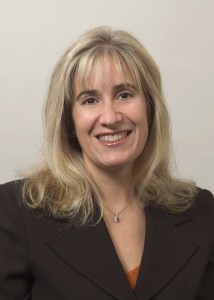
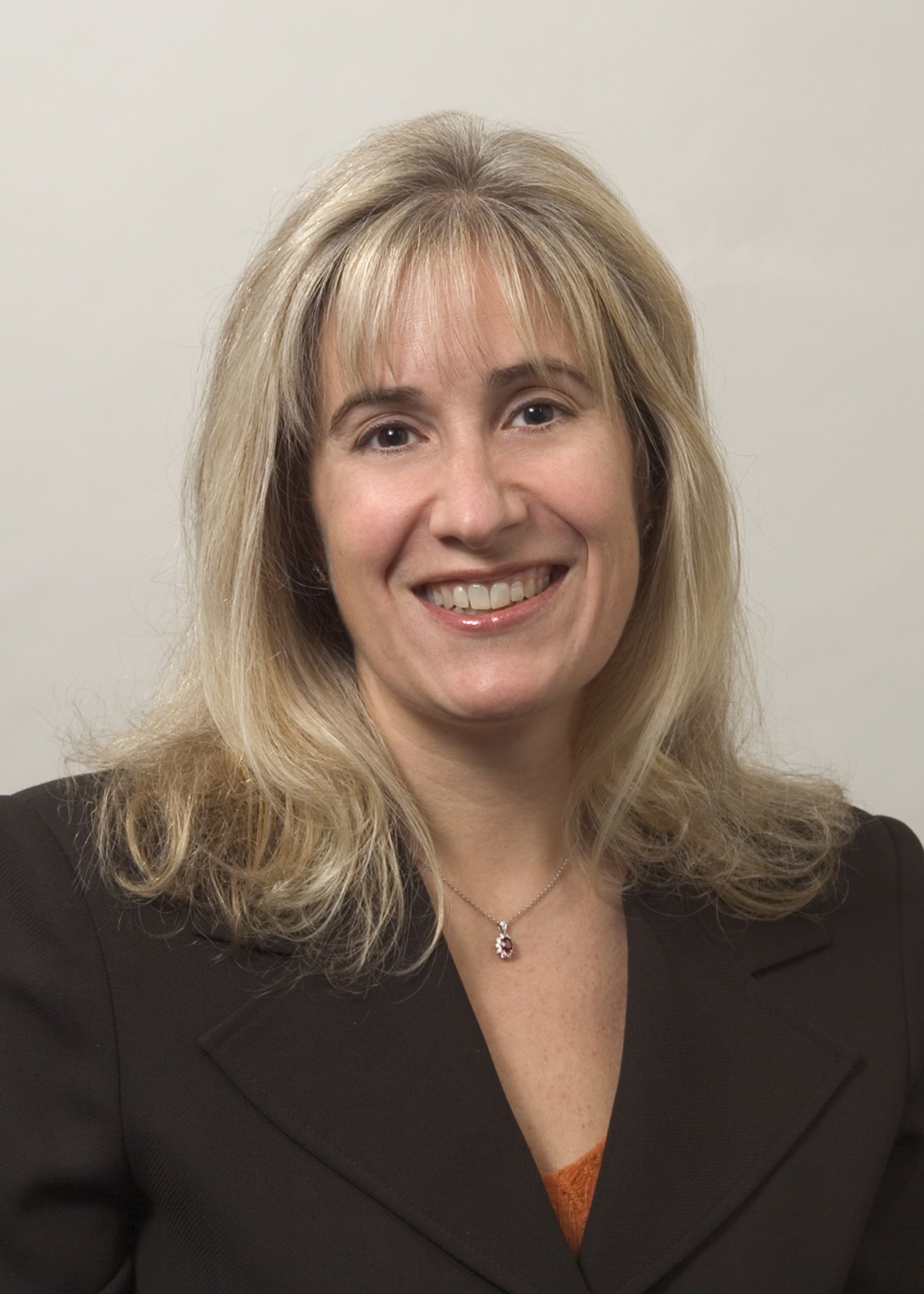
By Alison van Diggelen, host of Fresh Dialogues
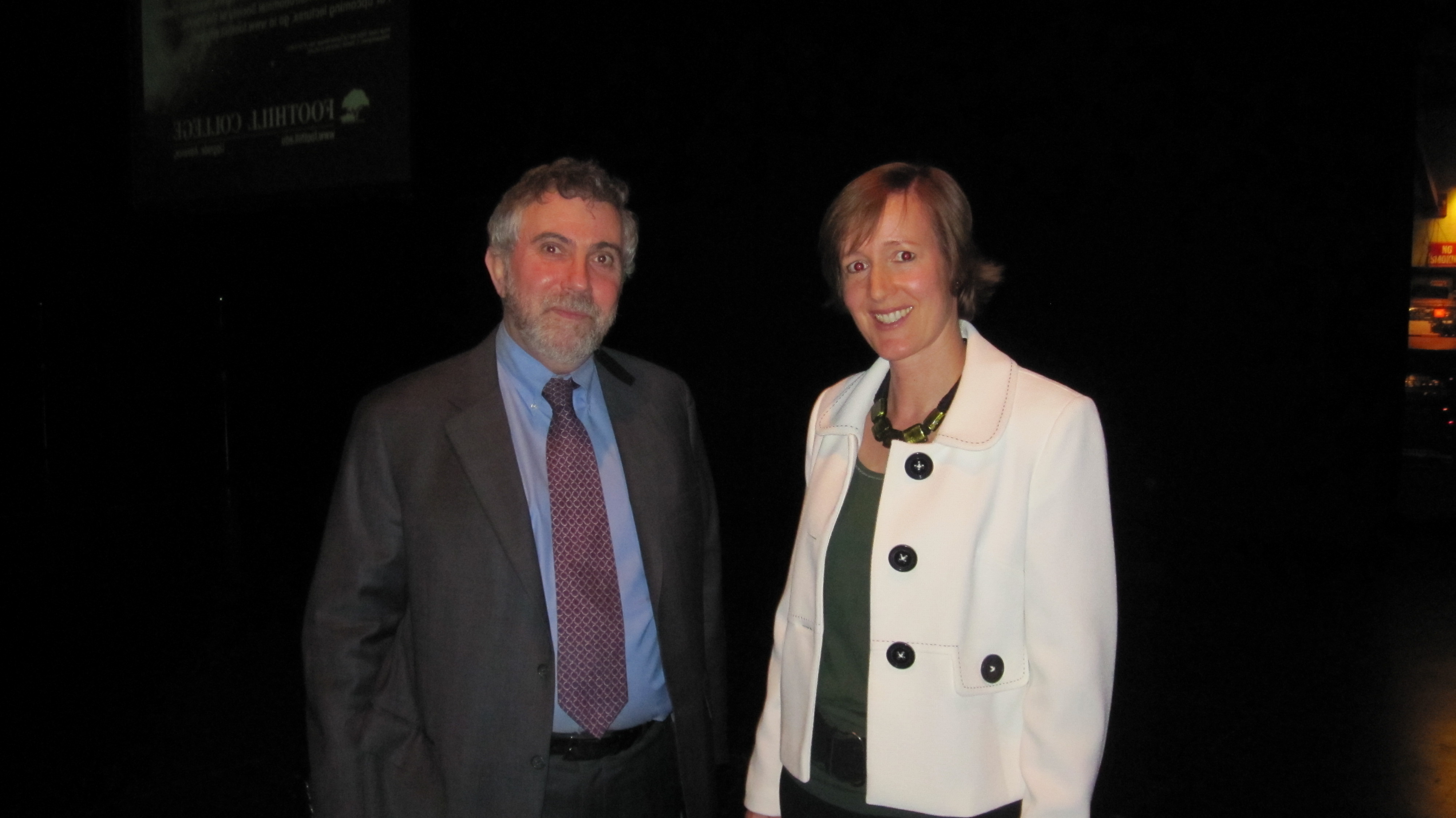
This exclusive interview with Paul Krugman was recorded on November 12, 2009 in SiliconValley. Dr. Krugman was in town to deliver a lecture as part of the Foothill College Celebrity Forum Series. Here are some transcript highights. To listen to the interview click here and or watch video.
Alison van Diggelen: Paul thank you very much for joining me on Fresh Dialogues.
Paul Krugman: OK. Good to be doing this.
Alison: Last night, you talked in your lecture of your concern about the unemployment rate. It’s very high and moving higher. In light of Obama’s announcement today about the job summit in DC in December, do you have any advice specific advice for Obama administration, particularly for green jobs?
Paul: Well OK, green jobs I think is going to be a much harder thing to get going. That’s going to take time. That really waits on climate legislation which we won’t get till next year, if we’re lucky.
What he needs to do is get some actual targeted job measures, we need some policies that are aimed at encouraging job creation directly: probably a job tax credit and maybe some subsidies for firms that hang on to jobs. We can learn a little bit from European countries (like) Germany which have been relatively successful in containing the job losses…We just have to get something going…. If I had my druthers, if there were no limits politically, I’d say actually let’s just have a really massive second stimulus plan to get the economy going, but since that’s not going to happen we need some measures that are cheaper, don’t maybe do as much for GDP but create a lot of jobs…
Alison: You said last night he’s been too cautious, Obama has been doing things in half measures. What advice would you give him at this stage?
Paul: This jobs summit can’t be an empty exercise…he can’t come out with a proposal for $10 or $20 Billion of stuff because people will view that as a joke. There has to be a significant job proposal…
Alison: Do you have a minimum he aught to spend?
Paul: There’s no hard and fast number, but if it isn’t several hundred billion dollars…OK, probably it’s not going to be as big as the first stimulus bill and not going to be as big as I think it should be… But I have in mind something like $300 Billion, you could do quite a lot that’s actually targeted on jobs.
Alison: Paul Krugman, thank you very much I really appreciate your taking the time.
Paul: Thank you so much.
Check back soon for more interview segments in which Paul Krugman discusses China, Climate Change and clean technology, the stimulus package, and why he prefers cap and trade over a straight carbon tax. He also explains what gave him that “missionary zeal” to write such fervent columns in the New York Times. To check out more exclusive Fresh Dialogues interviews, click here
Oct 23, 2009 | Celebrities, Green World, Technology, Transcripts
By Alison van Diggelen, host of Fresh Dialogues
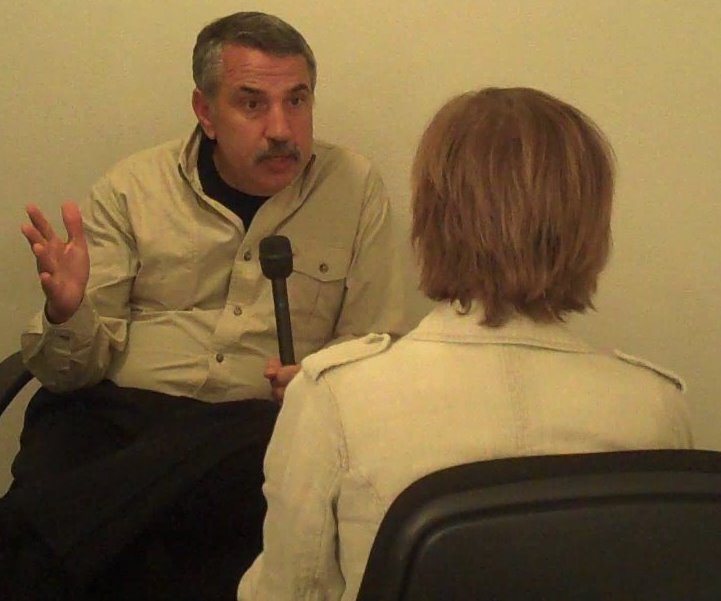
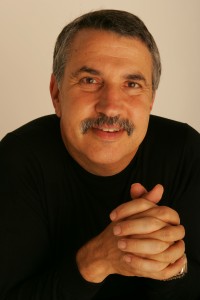
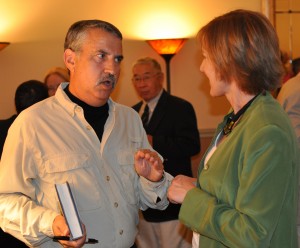
This is a transcript of my interview with Tom Friedman, recorded on September 10, 2009 at the Foothill College Celebrity Forum Series, in Silicon Valley.
Check out exclusive Fresh Dialogues Videos:
Tom Friedman on Copenhagen “This is a problem that will be solved by innovators, not regulators.”
Tom Friedman on his Envy of China’s action on Clean Energy: “You detect the envy of someone who wants his own government to act democratically with the same effectiveness that China can do autocratically.”
Introduction: In this second part of my interview with Pulitzer prize winning columnist, Tom Friedman, we discuss how he uses his platform to drive forward the green agenda. Tom shares his views on the resignation of Obama’s green czar, Van Jones, and how he himself deals with critics.
Alison van Diggelen: Tom, thank you very much for joining me today on Fresh Dialogues. In Davos this year, you asked: ‘Am I a bad guy for wanting to be China for a day?’ In light of the resignation of Van Jones, do you feel you’re a bad guy?
Tom Friedman: (laughter) No. I don’t feel Van Jones is a bad guy either.
Alison: Absolutely, but in that environment of criticism (that Van Jones bowed to), do you feel you are a ‘bad guy’?
Tom Friedman: I don’t really care. I say what I say. I think there’s a big audience for what I say and I don’t really pay attention to the critics.
Alison: Right. So you just turn a deaf ear?
Tom: I keep on marching on. I hear it and it’s fine. And it’s a free country. You can say whatever you want. But I’ve got my own bully pulpit and I use it. I don’t use it to shout back at critics; I use it to get my message out. I’m looking forward. You know, the dogs bark and the caravan moves on. I’m in the caravan.
Alison: But you don’t feel that distraction…that Glenn Beck and his ilk… are getting stronger and are going to be energized by the Van Jones resignation?
Tom: Well here I am giving a talk at De Anza College. We had 2500 people last night, 2500 tonight, 2500 people tomorrow night, actually paying money to come hear this and other lectures – not only my own. You were here last night…I think the audience was really paying attention, really motivated. Did everyone agree with every word I had to say? God, I hope not, that wouldn’t be a very interesting audience. But I think people understand the stakes, they’re living it every day. They know the climate’s changing and the Glenn Becks and the other opponents of these ideas will have their audience and I have mine…and let the best man win. To me that’s what it’s all about.
I don’t spend my time dealing with my critics. I’ve got a great podium and if you’re criticizing me, God bless you. I’m not above criticism. My focus is on my ideas with my audience.
Alison: I’m not intending to criticize you. But I’m just curious…
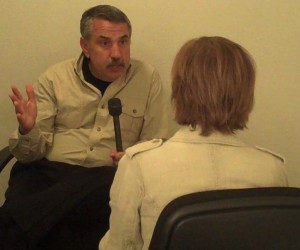 Tom: No, I’m telling you this is just my philosophy…I think you’d have to Google a long long time to find a column…I dare say, you’d have to Google forever to find a column where I’ve actually addressed personally, one of my critics.
Alison: Good for you.
Tom: My feeling is, I’m out there. And therefore, if you can’t take the heat, don’t be out there, number one… But why would I waste a column writing about one of my critics when I can write about these really interesting ideas for my audience who cares. So what I always say to the critics is, ‘you may be writing about me, I really appreciate that, but don’t think for a second that I’d waste a column on you.’
Alison: Good for you. I like that.
Tom: I’ve got this platform in the New York Times, why would I waste it on one of my critics? By the way, they’re entitled to their criticism. I’m out there. Sometimes you even learn from critics, but you move on.
Alison: Talking about journalism, what is your feeling on the future of journalism? What is morale like at the NYT today?
Tom: Well, I think it’s getting better. I think there’s a feeling -hopefully, we keep our fingers crossed- that we’ve hit bottom. Stocks are creeping up. We’ve just announced that we’re going to start a pilot project here in San Francisco Bay Area, whereby every Friday and Sunday, there’ll be two local pages in the NYT of San Francisco news. We’re going to go after some of the papers out here and try to win readers here. We’re pushing forward, ideas are coming out…
Alison: Is that going to change your column at all?
Tom: No…no…em
Alison: It’s more local news?
Tom: They’re going to be writing about Bay Area news…
Alison: Right….I met with your colleague from the NYT, Maureen Dowd this year…
Tom: Uh huh.
Alison: And she told me that you guys get together for a daiquiri from time to time. She said, and I quote ‘when Tom is feeling down about climate change’…
Tom: (laughter)
Alison: So I’m curious to know how the daiquiris are going? Have there been a lot of daiquiris recently? In other words, are you feeling more optimistic or less optimistic since you wrote this book (Hot, Flat, and Crowded), Tom?
Tom: Umm, I am going to hedge that. You know, Maureen is my dear friend and we do, you know, confide in each other about our moods at different times.
Right now I see a lot of things that are very exciting happening – exploding really – on a kind of small scale, but they haven’t achieved yet a critical mass and when you’re talking about changing the climate, you are really talking about critical mass. And that’s really what’s missing. A lot of exciting things happening, a lot of good buzz, peoples’ ideas are changing, they’re in flux, and much more open to all of these arguments but it hasn’t yet been translated into policy at scale.
Alison: And you’re still waiting for that…
Tom: Yes
Alison: And what do you see as your part…you talked about being in your bully pulpit…
Tom: My part is to use my platform as a journalist to drive this agenda – that I see as important – I have the great good fortune of having this platform and I use it to drive this agenda.
Alison: You also hooked up with John Doerr, I think it was in January of this year and you went before Congress. Can you describe what your expectations were for that and if it’s something that you’d want to do again?
Tom: Well, it was a very informal hearing…sponsored by Barbara Boxer, the Democrat Senator from California, on climate change and energy. John and I were the two main expert witnesses…It went great but no one intervention like that is going to be decisive, it takes many many more at many levels…most of all from the President.
Alison: And did you enjoy the experience? Is it something you’d like to do again?
Tom: Oh, it was fine. Um. It wasn’t like ‘wow.’ What struck me was how serious Senator Boxer was in her questioning and her colleagues. They’d done their homework, they were serious. To the extent it got out…YouTube, C-Span, the respective websites of the senators; I think it really contributed something.
Alison: Great, and let’s talk about the future. What’s the next book, the next travel plans, the next story Tom?
Tom: Well my book, Hot, Flat, and Crowded is coming out in paperback in November, right before Thanksgiving and I’ve updated the book significantly and I’m very excited about that. Now that I’ve done that I’m not sure what I’m going to do next. I’m just sitting back thinking. I’m in the market.
Alison: I read your column about Botswana and you wax lyrical about how beautiful it was, the nature there. What is it that drives you forward? I mean you could retire tomorrow probably but what is it that drives you to keep writing these thought provoking and insightful columns?
Tom: Well, I care first of all about the issues, so that’s what drives me. Secondly, I have this platform so what I care about can be heard by a lot of people and third, I’m having fun. I have the best job in the world. Somebody has to have it and I have it and you don’t.
Alison: (laughter)
Tom: I get to be a tourist with an attitude. I get to go wherever I want, write whatever I want…and they pay me for that. And I get to be part of the debate and ideas, people agreeing with you, disagreeing with you, trashing you, praising you. You know, I enjoy it; it’s why I’m here. I wouldn’t give it up for the world. I still enjoy getting up every morning, hitching up my trousers and getting out there…opening up my laptop and taking on the world.
Alison: Great. Well Tom Friedman, thank you very much for joining me on Fresh Dialogues.
Tom: My pleasure
To read the summary post of this interview, part two click here
To read the transcript of Part One on China Envy & Government Policy with Tom Friedman click here