What do Elon Musk, SolarCity and Burning Man have in common? The answer is illuminating for those seeking climate friendly solutions to our energy needs.
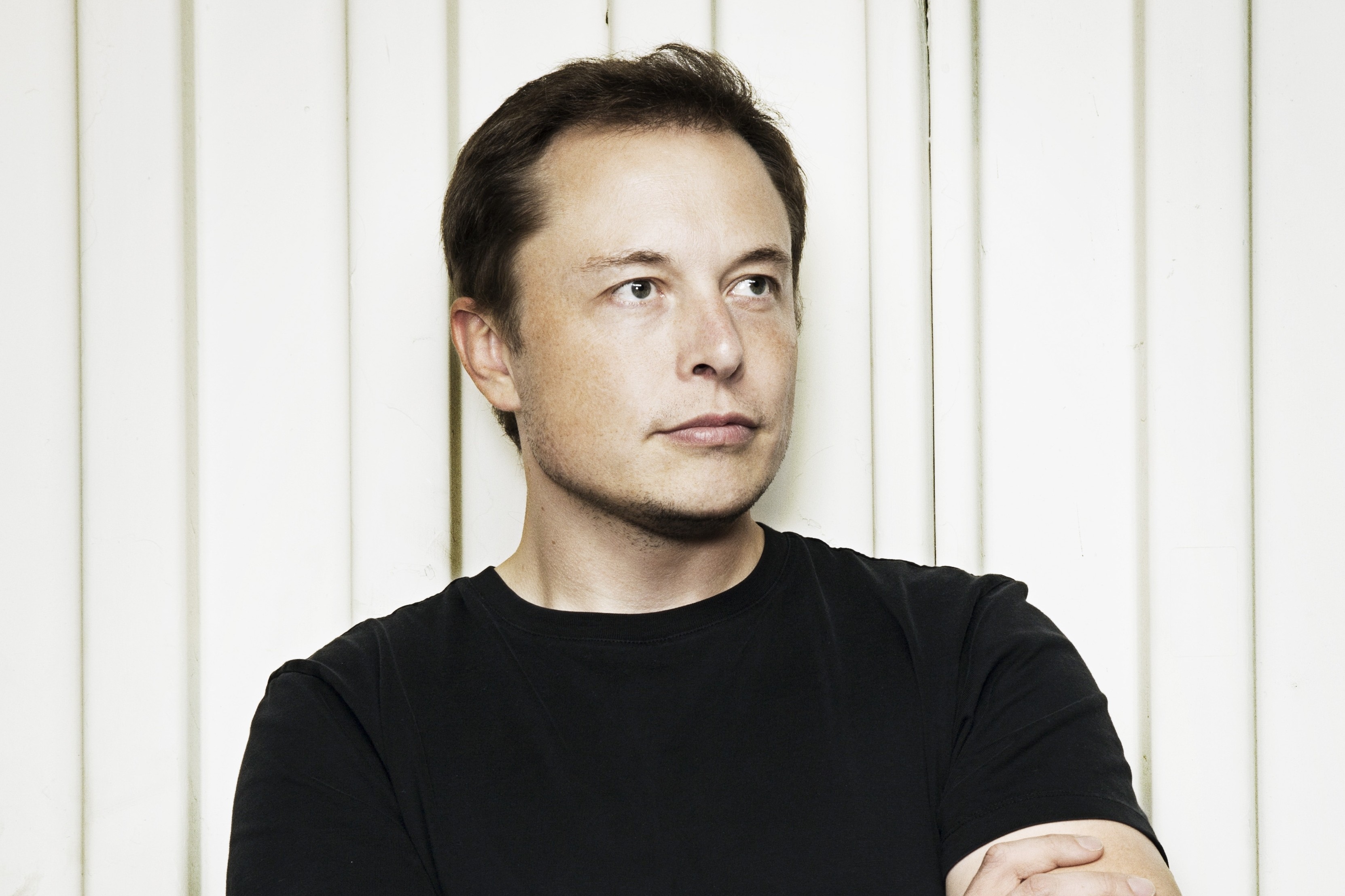
Elon Musk is well known in Silicon Valley as founder of luxury electric vehicle maker Tesla Motors and SpaceX, the space transport company. But what’s less known is Musk’s contribution to SolarCity, the solar installer and energy efficiency auditor. Not only did Musk inspire the creation of the San Mateo based solar company, but he’s working closely with the founders on a futuristic clean energy storage solution, coupling lithium-ion batteries with rooftop solar power.
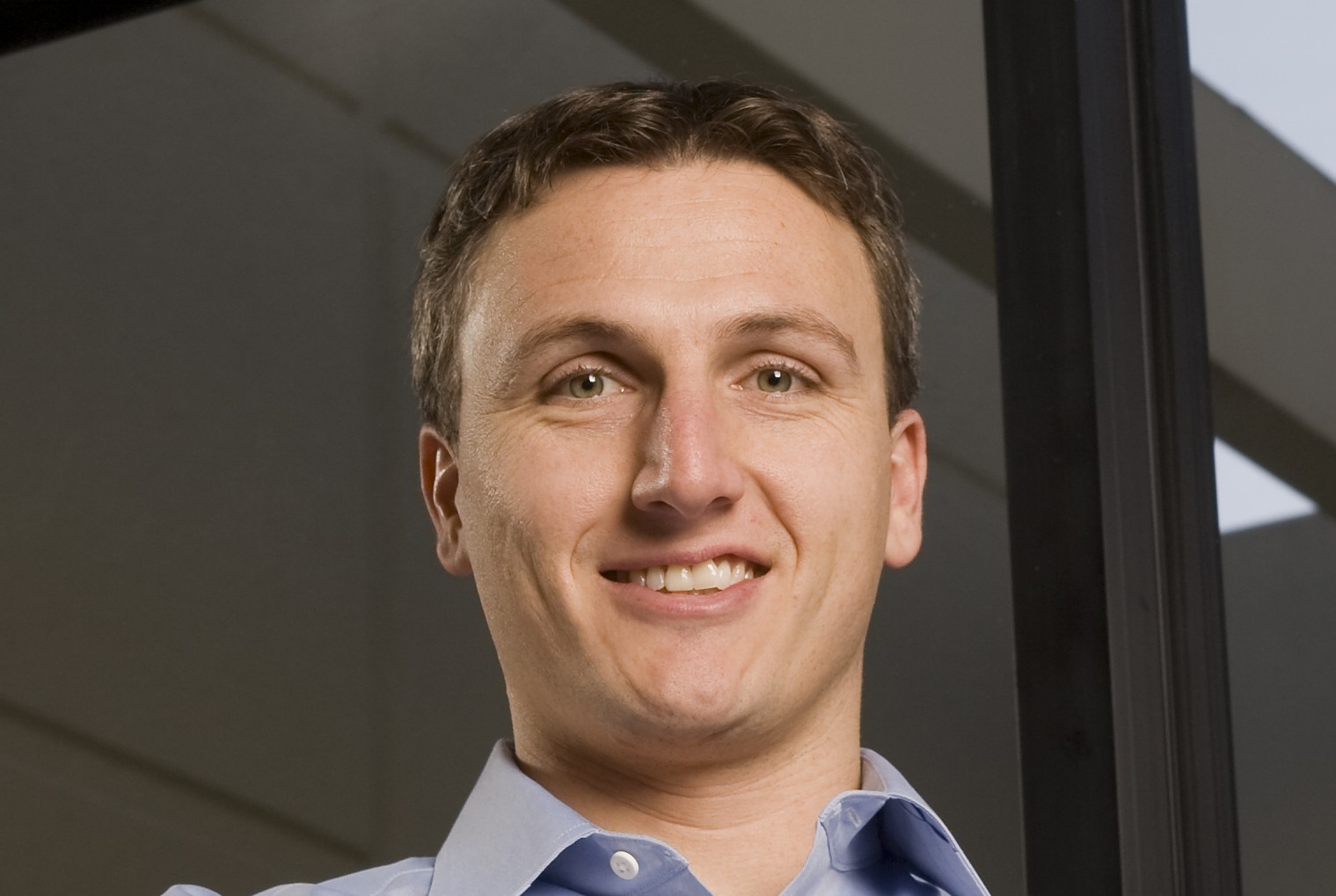
When you discover that SolarCity cofounders, Lyndon and Peter Rive and Elon Musk are first cousins, such ambitious collaborations make more sense, but where does the inspiration come from and how does Musk have the time to keep all these projects moving forward? SolarCity’s Lyndon Rive shared some family insights in a recent Fresh Dialogues interview.
Last week, SolarCity company confirmed that it’s working on stage two of a collaboration to couple Tesla lithium-ion storage batteries with SolarCity’s residential and commercial PV solar arrays. Stage one involved $1.8 M funding from the California Public Utilities Commission to fund a research program in 2010. Stage two seeks to commercialize the program on a modest scale, with over 7o applications pending under the California Public Utility Commission’s Self-Generation Incentive Program (SGIP), which provides incentives for distributed energy generation. The strategy seeks to leverage funding from the federal investment tax credit (ITC) for clean power and subsidies from SGIP, up to 60% of the system cost.
As Chairman of SolarCity, Elon Musk is not involved in the day to day running of the solar company but CEO Lyndon Rive admits that his cousin only contributes “maybe two hours a month” to the company – by phone – and three hours a quarter for board meetings. Not many minutes to have a significant impact on a company, for your average chairman. But Musk appears to have a rare gift for strategy.
“Elon is a phenomenal genius,” says Rive. “So when he gives you the time and you lay out the plan, he can quickly identify the hole in the plan… this is the true definition of quality vs quantity. .. you can fix whatever potential pot-hole you might run into, just in a ten minute discussion with Elon.”
So you can only imagine the ambitious discussions Musk and Rive had in 2004 on a road trip to Burning Man, the weeklong cultural event held annually in Black Rock Desert, Nevada. It was en route that Rive shared his desire to do something that had a larger environmental impact (than enterprise software) and Musk “came up with the initial idea” for SolarCity.
Burning Man has been described as a seven day experiment in community, art, radical self-expression, and radical self-reliance and culminates in the burning of a wooden effigy. Perhaps it was the profusion of attendees using free standing solar panels to power their RVs; the atmosphere of radical creativity or witnessing all that carbon going into the desert air, but whatever sparked the conversation has had profound impact on the US solar market. SolarCity has the largest share of solar installations in the US and is growing so rapidly, it’s hiring four new employees a day nationally, 10 a month in the Bay Area. Rive’s ambitious goal is world domination in the energy market, no less.
Burning Man may yet become the Mecca for clean tech entrepreneurs as well as the counter culture set; a journey worth emulating for other entrepreneurs seeking clean tech solutions to the world’s energy needs. Past attendees from the business world include Amazon C.E.O. Jeff Bezos, Google co-founders Larry Page and Sergey Brin, and Google C.E.O. Eric Schmidt.
For more Fresh Dialogues interview with SolarCity click here
SolarCity’s CEO Lyndon Rive sat down with Fresh Dialogues last week to share details of the solar company’s business model, rapid growth, and ultimate goal of being the world’s largest energy provider. Yes indeed: this 35 year-old entrepreneur from South Africa anticipates no less than world domination.
Although Rive was tight lipped about the impending IPO expected in Q3 this year, he referred to the $280M investment from Google last year and said, “Our expectation is that companies like Google and other Fortune companies start making similar investments.”
“In order to monetize the full benefits of the solar system you need a large tax paying company. .. might as well use that tax bill to motivate the growth of the renewable industry…” he added. “We are approaching hundreds of Fortune 100 and 1000 companies…and will continually be raising funds, potentially in perpetuity.”
SolarCity is targeting companies that can benefit handsomely from the 30% Federal Business Tax Credit for solar investments. Although Rive wouldn’t name names, Apple Inc. springs to mind immediately. Record profits and enormous tax base? Check. Recently inclined to alternative energy investments? Check. In case you missed it, Apple recently invested in a massive 4.8 megawatt fuel cell development using Bloom Energy technology. Watch this space. We’ll keep you updated.
.
.
Business Model
SolarCity’s innovative model offers a range of solar options. Customers can buy systems outright or pay zero down and lease or purchase the power the system produces. Large investments from partners like Google allow the company to make solar affordable and continue growing rapidly. Rive described the company’s business model thus: “(We) install solar systems for free, so we need capital to pay for that, and take a long term revenue stream on the electricity that we sell. So, as fast as we grow, that’s the business model that we’re in.”
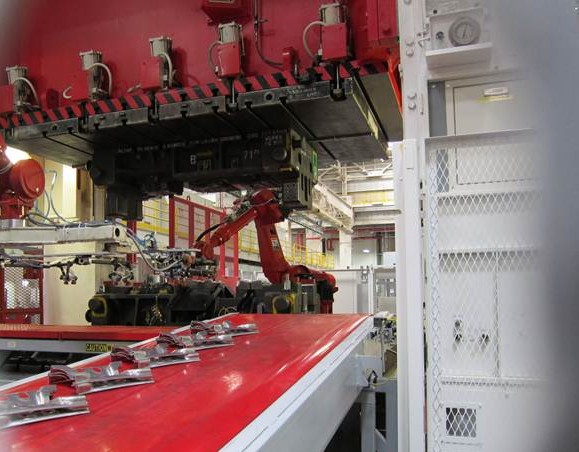
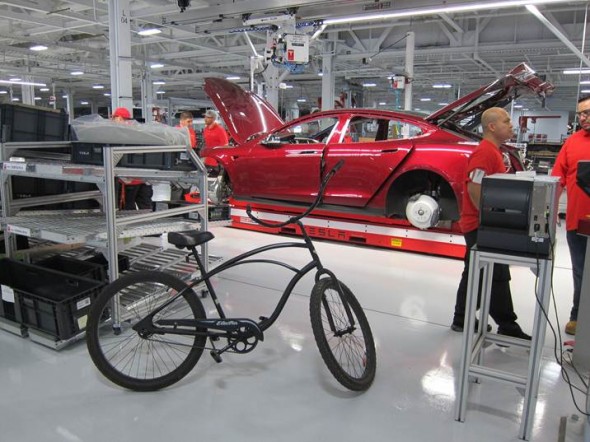
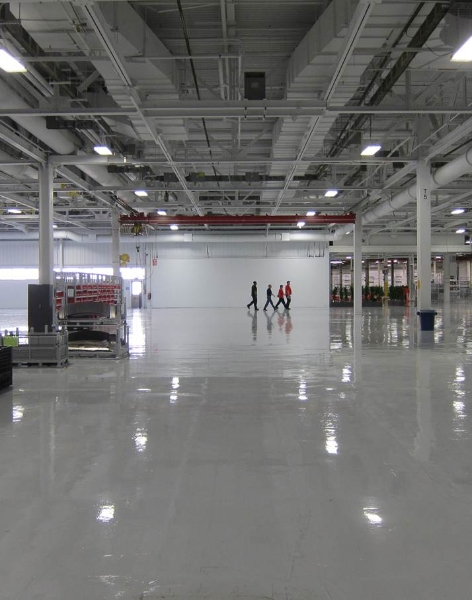
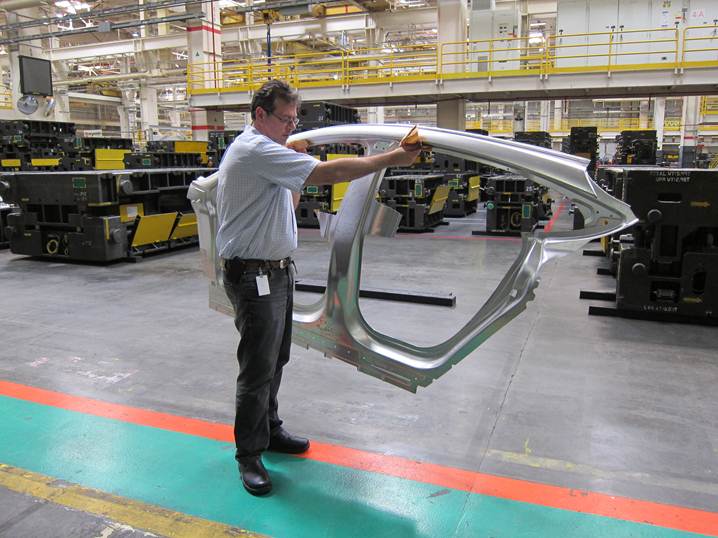
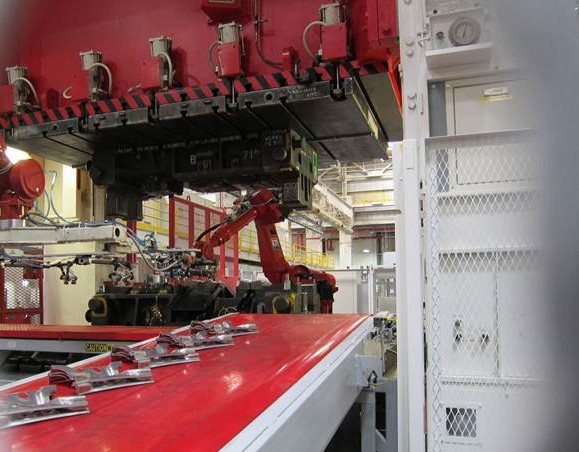
Here are some photos of our Tesla Factory tour on June 14, 2012 with VP of Manufacturing, Gilbert Passin.
Check back soon for more commentary…and my Tesla radio story on NPR’s KQED California Report. It includes some great sound from the Tesla factory and interviews with Tesla board member Steve Jurvetson, VP Manufacturing Gilbert Passin, Wired Magazine’s Damon Lavrinc and Charles Lambert, an enthusiastic Tesla factory worker who describes the door handles as “sexy.”
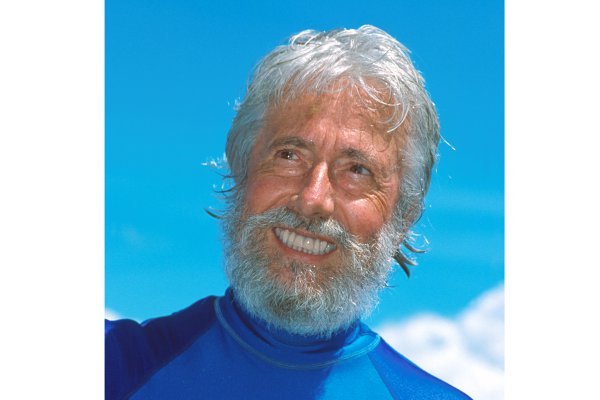
The facts of climate change are still disputed, despite consensus from a majority of scientists. Last Friday, Fresh Dialogues sat down with ocean explorer and film maker, Jean-Michel Cousteau to to get the facts from an expert who is seeing its impact in our oceans and beyond.
“Climate change is a reality,” says Jean-Michel Cousteau, the son of legendary explorer Jacques Cousteau. “What we are responsible for and the consequences we’ll have to face up to is that because our emissions of CO2 are accelerating the process, things are happening much faster.”
One of the biggest impacts he highlights is the reduced protection of our coastlines due to corals dying and sea level rising. He anticipates increased storms and flooding; and millions being displaced around the world.
I asked Cousteau: what advice does he have for people wanting to reduce their carbon footprint?
“It starts at home and by better managing our home, we save money and by the same token we save energy and emit less CO2,” says Cousteau. “The other one is our consumption. People eat too much. People are FAT!”
His forthright answer caught me off guard. No more Crème brûlée for me. We all have to make sacrifices.
Here’s a short segment of our interview. We also discussed China vs US action on climate change; President Obama’s response to climate change and his energy policy; and the important lesson his father, Jacques Cousteau, taught him.
Check out my story at:
KQED’s Climate Watch for Cousteau’s views on California’s Global Warming Solutions Act, AB 32
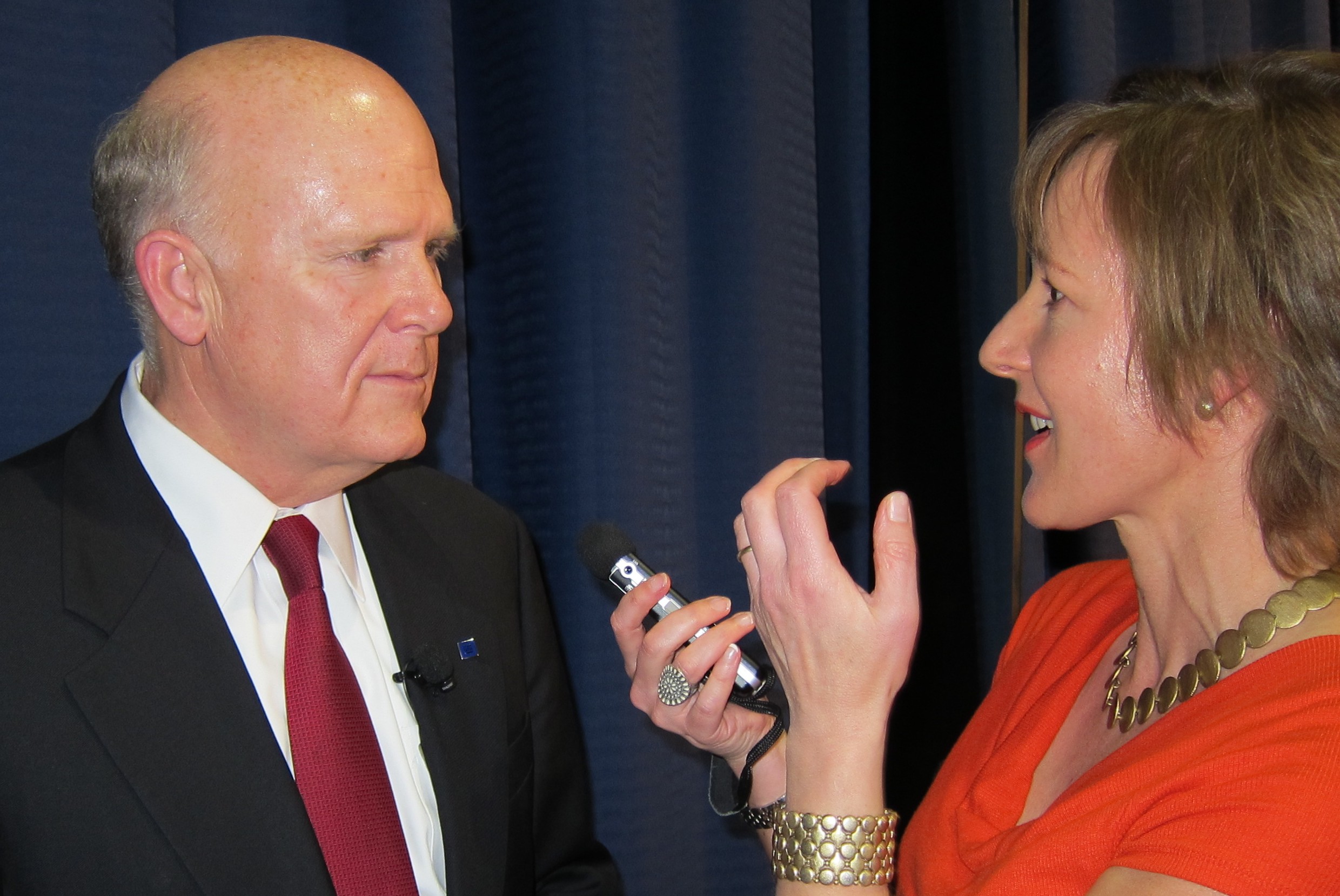
Dan Akerson, CEO of General Motors spoke with Fresh Dialogues last night in San Francisco about the five week suspension of Chevy Volt production; the future of what he described as GM’s “statement car” and his surprisingly candid views on climate change.
Arguing that GM matches production to inventory, he said, “It’s foolhardy to produce beyond demand.” As of February 2012, Volt inventory was 6,300 units, enough to last at least 5 months at current sales volumes. Last month 1,023 Volts were sold, up from 603 units in January, making the 2012 goal of 45,000 sales appear a huge stretch. Akerson complained about the media’s laser focus on the Chevy Volt. Despite it being less than half of one percent of GM’s annual car production, it gets all the attention. He noted that no one batted an eye when production of the Chevy Cruze (GM’s top selling car) was halted for two weeks.
So what’s the future of the Volt? A spring relaunch will feature new generation Volts, with improved emissions levels, which now qualify for HOV lane stickers in California – a key factor, since one in four Volts are sold in the Golden State. He believes that this will help stimulate demand and quoted a recent study that found the average commuter saves 36 minutes a day by using carpools. Time is money. But is it worth $40,000? He confirmed that small shipments of the new Volt had already been made and the car will be available soon in California showrooms.
Akerson also described the new ad campaign which will be, in his words “more interesting.”
And the facts about Global Warming? Fresh Dialogues had to ask.
“We’re doing the right thing for the company at the right time. We will leave it up to the consumer how they interpret that.” Akerson said.
But his position on climate change is clear. During a Commonwealth Club interview, he confessed that he “believes” in Global Warming, adding “Several GM executives say ‘you don’t say that in public.’ Well, this may surprise you but my underwear doesn’t have GM stamped on it…I am an individual and I do have my own convictions.”
Good to know.
Here’s the amusing video segment from the Commonwealth Club
.
.
Read transcripts, see photos and check out our ARCHIVES featuring exclusive interviews with Tom Friedman, Paul Krugman, Vinod Khosla and many more green experts and visionaries…
andjoin the conversation at our Fresh Dialogues Facebook Page