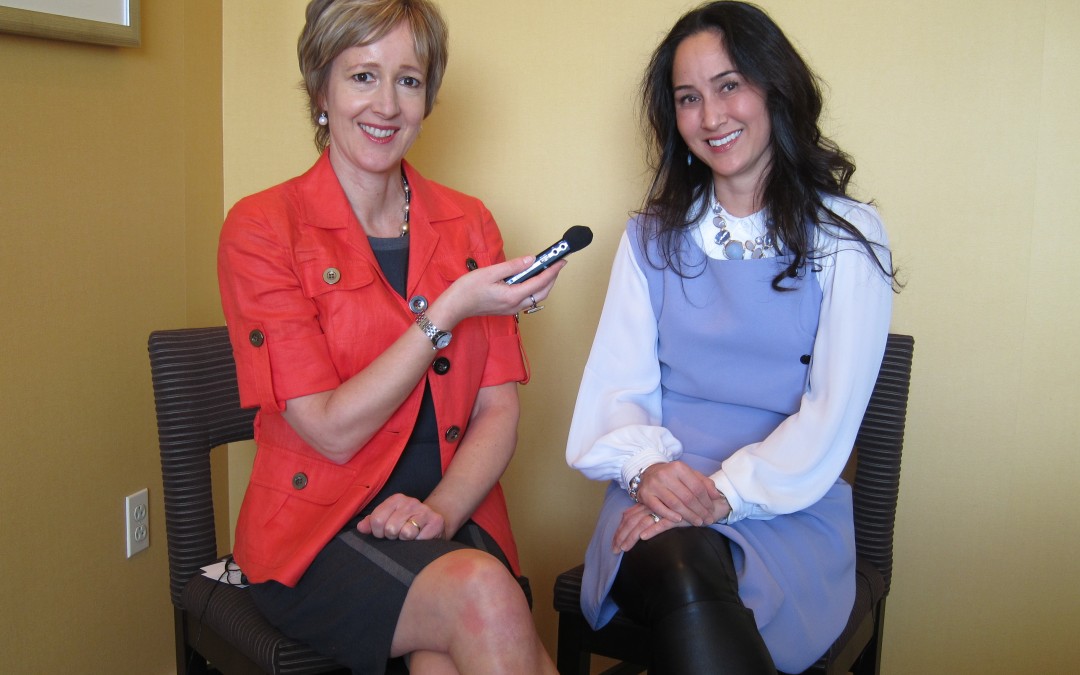
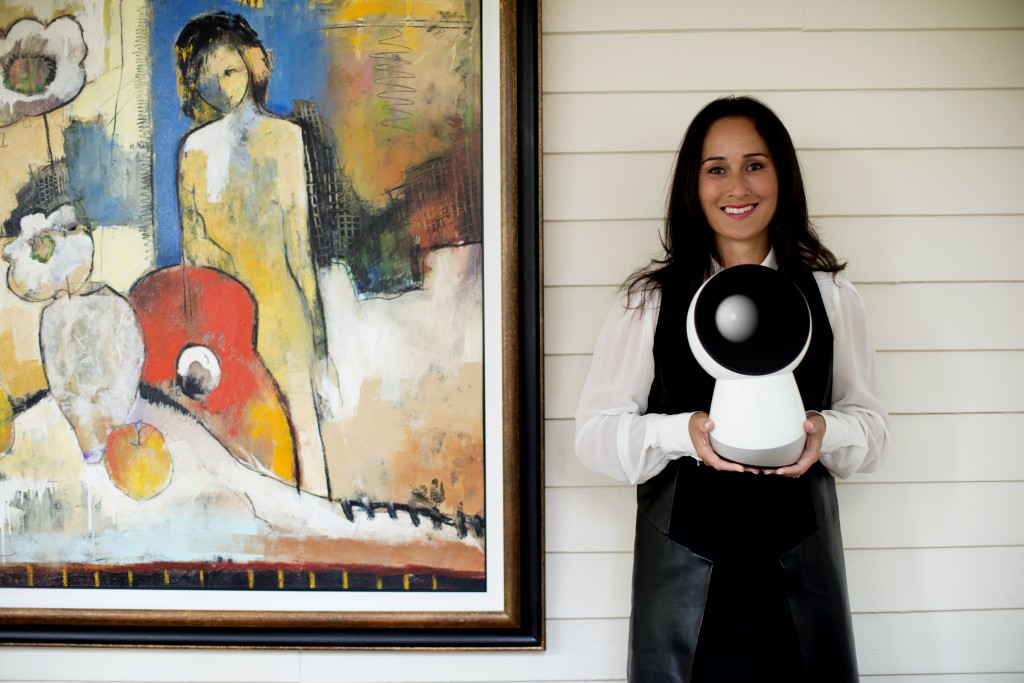
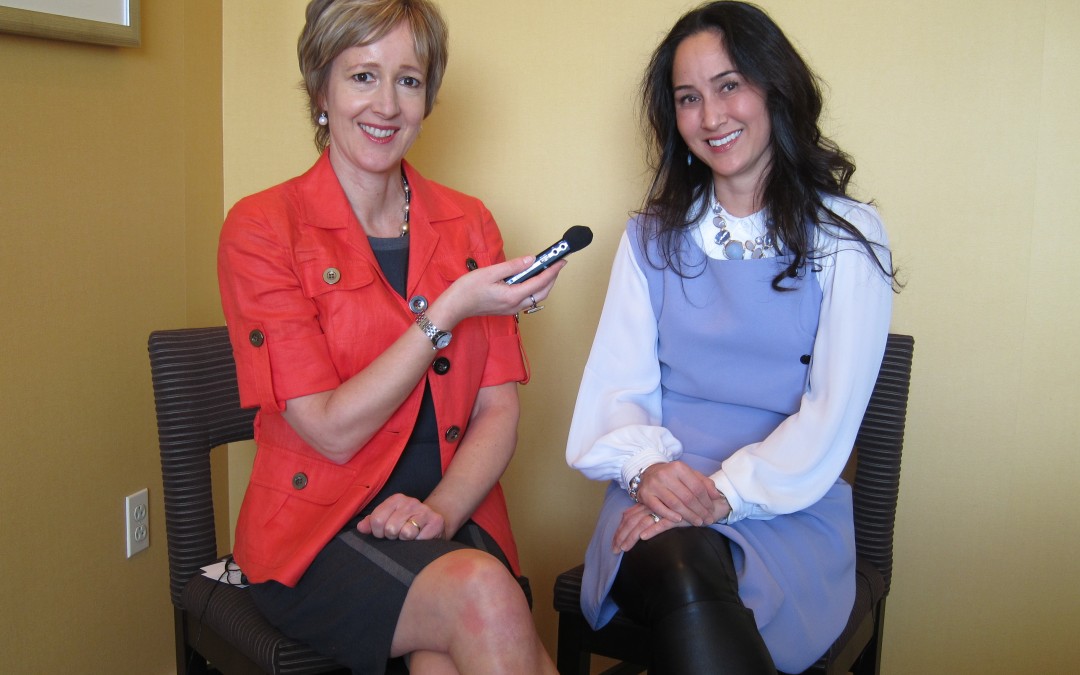
Many people worry about the consequences of tech innovation, in particular: how will automation and robots impact our jobs? I sat down to explore the impact of robots and the chance of “robo-apocalypse” with social robot pioneer Cynthia Breazeal, founder of the Jibo Robot and professor at MIT. Jibo is a desk top robot that acts like a personal assistant for the family. It can see, hear, speak, dance, and according to its makers, it can even “relate to people.” Imagine a cross between R2D2, an iPad and the Pixar lamp. Breazeal explains how she sees the big “value add” of social robots and why she thinks the potential unintended consequences of robots demands a thoughtful dialogue between robot experts.
Excerpts of this interview were featured on my BBC World Service Report: Elon Musk, Cynthia Breazeal Explain Why Robots Are Coming To Your Home
Here are highlights of our discussion (comments have been shortened for length and clarity):
van Diggelen: Will robots take our jobs, and why are we obsessed by that?
Breazeal: When robotics first came onto the market, it was about replacing human labor, so that’s been the assumption: When any robot is introduced, “it’s about replacing people.”
Social robotics as a whole research discipline has been about a very different paradigm, which is about partnership. It’s about robots that can support and collaborate with people. Jibo is not being designed to replace anyone or anything. Sometimes peole talk about it’s going to replace my dog….it’s not about that. Jibo creates a different kind of relationship.
van Diggelen: What is Jibo?
Breazeal: Jibo breaks down barriers (for people uncomfortable with tech gadgets) by feeling much more like a someone than a something. In my research at MIT, we’ve put very sophisticated humanoid robots, you name it, but when you create that experience for people, that familiar, warm experience, people respond to it. I think Jibo has an appeal across a much broader demographic.
Jibo is about supporting the family, supporting those who help care for the family, doctors and nurses…helps make the whole human and technological network stronger and better able to serve human values. That’s the big “value add” of this kind of technology and that’s certainly where my heart is because certainly as a mom, I completely understand the value and importance of the human connection and the human relationships. And we have human responsibilities to each other. Technology should not be mitigating that or interfering with that. We want technology to really support that.
van Diggelen: We’ve had warnings from Elon Musk, from Stephen Hawking saying artificial intelligence needs some regulation…they’re concerned about this “robo-apocalypse” happening, so talk to that…
Breazeal: I think in terms of the “robo-apocalypse”…we love that theme (laughter). Throughout our stories, our legends…
Breazeal: In many ways, it’s a tool that we use as a culture to ask the question: What does it mean to be human? I really think it stems from that. So whether it’s aliens or killer viruses or robots, it is that “otherness” that pushes up against our humanity; that causes us to reflect upon the human condition. For robots, because they have existed in our science fiction long before we could actually build them, this is our cultural undercurrent people can’t help but go there no matter what.
van Diggelen: But the difference is, it’s not some luddites who’re saying this: it’s people like Stephen Hawking, Elon Musk and Bill Gates…warning people about the dangers of artificial intelligence.
Breazeal: Right so…there’s a difference between the apocalypse versus there could be unintended consequences that we need to be mindful of. So I’m agreeing that with any technology capable of tremendous impact on how we live our lives, there’s always those two sectors. Certainly with robotics, I certainly believe that it’s going to become a pervasive technology in our lives, so it is worth considering, how do we go for the good and avoid the bad?
van Diggelen: But how do you do that? From where you’re sitting, does it need government regulation, standards? What’s the best way to proceed?
Breazeal: I’m not sure we honestly know…the bottom line is: it starts with us and having thoughtful dialogue and discussion to try to really understand what the opportunities and the unintended consequences really could be, before we start jumping to conclusions. I think the most important thing we can do right now is to have this thoughtful dialogue. Even things we started off with, like peoples’ assumptions (that) all robots are about replacing people versus this other side: robots are about supporting people.
Why are robots getting close and personal? Here’s my BBC World Business Report about The Brave New World of autonomous cars and social robots. It aired on BBC World Service Monday April 13, 2015.
Two pioneers, Elon Musk of Tesla Motors and Cynthia Breazeal of Jibo Robot, explain why autonomous cars and robots are poised to invade your home and (potentially) make your life easier and safer.
Here’s the program. Listen at 12:16 on the podcast.
WBR Host, Susannah Streeter: The era of robots is getting personal. They’re slowly moving into our homes and our garages. What’s the business case for robot cars that can chauffeur you autonomously and desktop robots that can be your personal assistant? Will they be job killers or job creators? Alison van Diggelen reports from Silicon Valley, California where two pioneers recently described a brave new world full of robots.
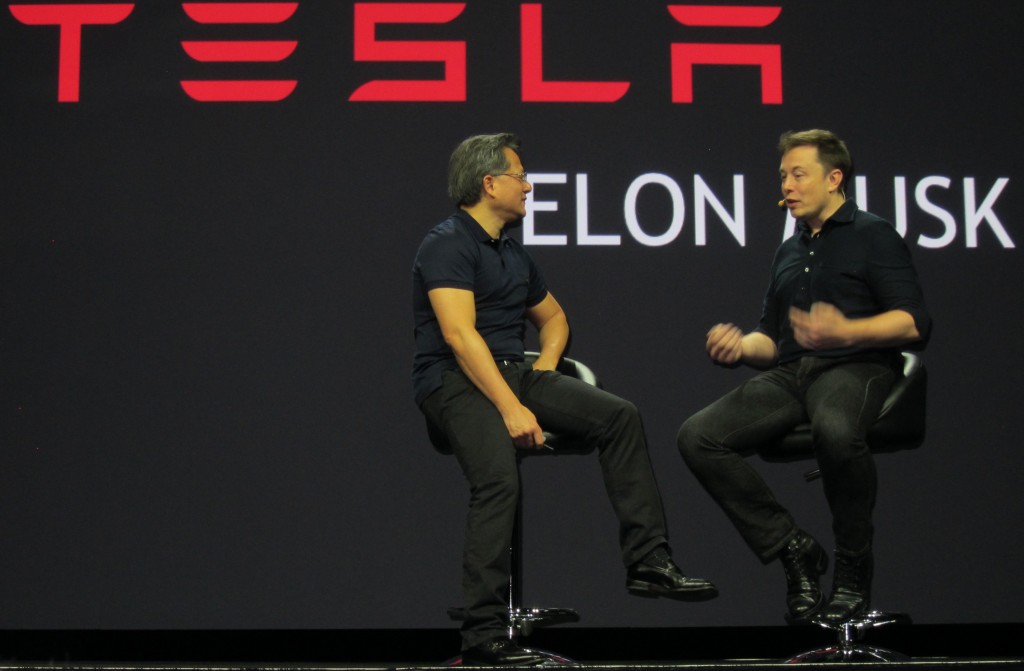
Jen-Hsun Huang (Nvidia CEO): Ladies and Gentlemen, Please welcome Tesla CEO, cofounder, Elon Musk [applause]
Elon Musk: In the distant future, people may outlaw driving cars. It’s too dangerous. You can’t have a person driving a two-ton death machine. [laughter]
That’s Elon Musk, the CEO of electric vehicle maker, Tesla Motors speaking at a recent Silicon Valley tech conference. He helped revolutionize the world of electric vehicles by creating a sexy, high performance car that left the “golf cart” era in the dust. Now he’s joined the charge in autonomous driving, led by Google, and claims that taking a self driving car will soon be as everyday as using an elevator. But are you ready to step into a robot car?
Elon Musk: You’ll be able to tell your car: Take me home, go here, go there, anything…in an order of magnitude safer than a person. It’s going to be the default thing and could save a lot of lives.
Although you might grimace at the thought of relinquishing control, for Musk, Google and several major car manufacturers, the business case for autonomous cars is a no brainer – they say it could save $400 Billion a year in accident related expenses. Researchers at Columbia University found that a shared driverless fleet of cars could reduce personal travel costs by 80%.
But will robotic cars and other types of robots kill jobs?
Cynthia Breazeal argues they won’t. She’s a pioneer in social robots – ones that focus on human-robot interactions. She invented Jibo, a singing, dancing tabletop robot that looks like a cross between the Pixar lamp and an iPad.
Jibo Announcer: Introducing Jibo, the world’s first family robot. Say hi Jibo…
Jibo: Hi Jibo! [laughter]
Jibo Announcer: Jibo helps everyone out throughout their day [music]
Jibo is a personal assistant robot that can photograph, video, entertain and educate you and your family. It can remind you to call your mum on her birthday and even read your children bedtime stories.
Jibo: Let me in or else I’ll huff and I’ll puff and I’ll blow your house in!!
Girl: [Giggling]
Jibo announcer: He’s not just a connected device, he’s one of the family.
Girl: Shhhhh. Good night Jibo! [Computer sounds]
.
Although some people might find Jibo a bit creepy, the company’s crowd funding campaign showed its strong consumer appeal. Last year, it raised over $2M from Indiegogo in just 8 weeks. This year, it secured $25M in venture capital. Jibo goes on sale next year.
Breazeal acknowledges that robots were viewed as job killers, historically.
Breazeal: When robotics first came onto the market, it was a lot about replacing human labor. (So that’s been the assumption) Social robotics as a whole research discipline has been about a very different paradigm. So Jibo is not being designed to replace anyone or anything. (Sometimes people talk about, ‘it’s going to replace my dog…’ it’s not about that.) Jibo creates a different kind of relationship…like with your doctor, your dog for example. It’s about supporting the family, those who help care for the family, doctors and nurses…This high touch high tech technology is much better able to address those in need.
Her robot might one day be a job killer for healthcare workers and personal assistants. But for now, Breazeal is on a hiring spree, looking for engineers and she has MILLIONS to spend.
Ultimately, the brave new world of robots envisioned by these pioneers is as inevitable as the relentless advance of tech innovation.
Musk is only half joking when he says this:
Musk: I just hope there’s something left for us humans to do…
***
The report was recorded at the Nvidia Conference, Silicon Valley on March 16, 2015.
Are women in Silicon Valley tech doomed? Do they need to “lean in” more?
After Ellen Pao lost her discrimination case against Kleiner Perkins last week, some said the discussion was closed. On the contrary, her case has spotlighted an important issue and sparked a lively conversation about the dearth of women in Silicon Valley tech companies and what can be done about it.
The program was hosted by Manuela Saragosa and included a report by Gianna Palmer about the impact of Sheryl Sandberg’s book, Lean In. My Letter from Silicon Valley starts at 07:00.
Saragosa: There is a perception that women are still not being treated as equals in the tech industry in the US. It all came to a head in Ellen Pao’s gender discrimination case against her former employer KPCB, a Silicon Valley venture capital firm. She lost her case last week but despite that, it’s highlighted concerns about the lack of diversity in the tech sector in the U.S. So just how bad is it? Over to our commentator, Alison van Diggelen in Silicon Valley…
van Diggelen:
“Women in Silicon Valley tech are doomed!”
That’s one of the comments I heard at a recent gathering of female executives here in Silicon Valley. It came from a manager who’s spent 20 years working in tech human resources. She and her colleagues described the double standard they’ve witnessed at tech firms: women being passed over for promotion, paid less than men and treated as second class citizens.
Last year, major tech companies like Google, Facebook and LinkedIn published their diversity figures, which underline the sad fact that – at best – 15% of their tech engineering teams are female. The number of women choosing to study computer science is now half of what it was in the ‘80s.
It’s hard to find a woman in Silicon Valley tech who hasn’t experienced some biased treatment at work, because of her sex. Women are expected to be agreeable, generous collaborators, and always look good. One female executive talked about traditional expectations: “We’re supposed to be at home, nuzzling newborns,” she said.
Why does all this matter?
Gender imbalance in tech is a problem for everyone and it needs to be tackled for three vital reasons: innovation, competitive advantage and the bottom line.
1. Studies show, the more diverse your team, the more innovative it is. Since Silicon Valley’s whole modus operandi is innovation and inventing the future, making tech teams more diverse should be a no brainer.
2.Given tech companies are making products for a diverse world population, the more teams are representative of their market, the more chance it’ll make consumer-pleasing products and gain a competitive advantage.
3. There’s a correlation between the number of female executives and success rates of companies. A recent study by the Kauffman Foundation found that companies with the highest representation of women in their top management achieved better financial performance than other companies.
“Inclusivity is more than a buzzword, it’s a recipe for 21st century success.”
The fact that companies are “coming out” about their diversity stats, and acknowledging there’s a problem, is a great first step.
But much more should be done.
Facebook, LinkedIn and the Anita Borg Institute recently announced a partnership to support female tech students at college and increase the number of women joining the tech ranks.
The pipeline issue is crucial. Encouraging more women to choose computer science at college will help reverse current trends. Megan Smith, America’s Chief Technology Officer is right when she says mandatory computer science needs to start in second grade.
But it’s going to take strong leadership within companies to bolster these efforts and provide an inclusive environment that’s welcoming to women and gives them the respect and opportunities they deserve.
LinkedIn’s CEO Jeff Weiner says that with two young daughters, gender imbalance is now a personal matter for him. He and other SV leaders must commit to real change for the long term.
No. Women in Silicon Valley tech are not doomed.
I remain hopeful that the valley will mature and get beyond this ugly adolescent phase…
For the BBC World Service in Silicon Valley, this is Alison van Diggelen
***
Many thanks to all the wise women who contributed to this Letter from Silicon Valley. I hope the conversation will continue and the issue of bias (both conscious and unconscious) and gender discrimination will be tackled head on.
To read more on this topic at Fresh Dialogues, click here
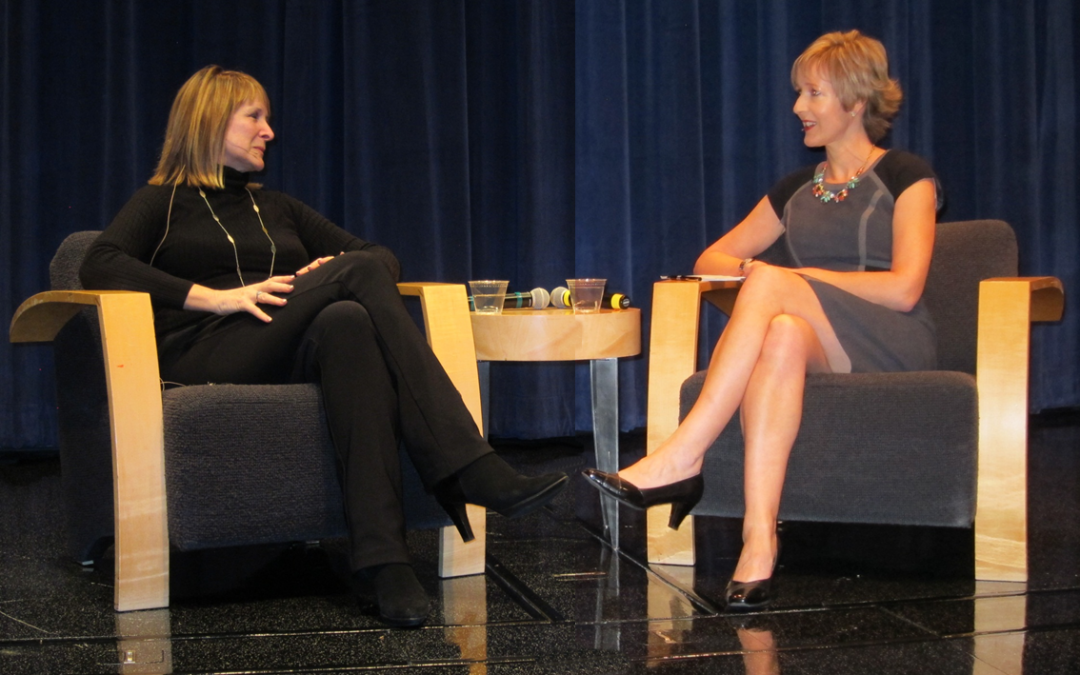
Heidi Roizen has been on both sides of the entrepreneur funding divide, so her advice for aspiring entrepreneurs is particularly potent. She’s an operating partner at venture capitalists DFJ, a lecturer in entrepreneurship at Stanford University and a successful Silicon Valley entrepreneur. Last month, I interviewed Roizen at the Commonwealth Club, Silicon Valley. That interview led to many more questions about what it takes to succeed, especially the need to build meaningful relationships. Here’s our deeper exploration:
van Diggelen: You teach entrepreneurship at Stanford University: What are the top 5 lessons for being a successful entrepreneur?
Roizen: When we study and meet with successful entrepreneurs, while each has a different path to success, they all exhibit similar mindsets. For one, they seem to go through life looking at problems as things for which there can be a solution — i.e. they do not accept the status quo, no matter how ingrained. Second, they are not afraid to iterate (or ‘fail’, i.e. learn from a mistake, course correct, and move on.) They tend to be tenacious, that is, they view the failures along the way as necessary steps in getting to success — not as indicators that they should stop. They tend to be very good at telling their stories, building a narrative about the problem, the solution, and what it takes to get there. Finally, successful entrepreneurs tend to know the importance of finding and motivating awesome people to join them in their journey.
van Diggelen: Talk about the importance of networks and the do’s and don’ts of finding and being a good mentor.
Roizen: Let me answer this by starting at the 100,000 foot level. I’ve done a lot of reading about human happiness and I boil the answer down to having meaningful work and meaningful relationships. I believe that if you can do meaningful work with others you build even more meaningful relationships. I hate the word “network” as it almost has a negative connotation — none of us want to be cornered by a ‘networker’ at an industry cocktail party! But, instead I think of ‘building a network’ as a lifelong process of forming relationships with people, finding ‘fellow travelers’ who may share a passion for the same problem that needs to be solved, a skillset that is complementary but appreciated, someone with good common sense to bounce ideas off of — whatever brings value and meaning to each of us in a human connection. For me, those people and those relationships — new and old — help me to keep learning and keep finding new opportunities for work, for growth, for meaning.
As for finding and being a mentor, my main piece of advice, for either the mentor or the mentee, is the relationship only works if there are shared values/ethics, and if there is something meaningful to work on together. That is why I personally believe asking someone to simply ‘be my mentor’ is far less productive than finding for example someone to work for who you can also see as becoming your mentor.
van Diggelen: What do you mean by “living a relationship driven life” versus “a transaction driven life”? Can you give some examples?
Roizen: I’m a big believer in leading a relationship-driven life and I’ve blogged about it here. In short, if you believe what I said above about meaningful relationships being the key to happiness (a big ask I know!) then it makes sense that every transaction in which there are one or more others involved becomes an opportunity to build a relationship. From my life experience, I run into the same people working in this industry over and over and over, so the quality of every transaction is important because it builds a relationship that transcends any individual transaction.
In business school, we learned that a negotiation should be viewed as ‘an opportunity to find the maximal intersection of mutual need.’ I love this concept, instead of a transaction being ‘zero sum’, we can actually achieve a better result for both of us by putting our two heads together to solve both our problems.
van Diggelen: What’s been your hardest challenge as an entrepreneur and how did you overcome it?
Roizen: Almost running out of money many times. Microsoft entering our market. Shipping a product with a lot of bugs. Emotional disagreements with cofounders and key contributors. In other words, there really is no hardest challenge in entrepreneurship, rather there are a whole series of ‘near-death’ experiences. They key is to not let them become ‘death’ experiences! There’s no overcoming, just pushing through, getting back up, learning from your mistakes, mending fences, and moving on. And if you fail in the big picture and your company ends up going out of business, do it with empathy and honor and in Silicon Valley, you will usually get another at-bat.
van Diggelen: How do you see Silicon Valley changing in the next 5-10 years?
Roizen: I think what makes Silicon Valley so special will continue to fuel our next 5-10 and many more years. I do think the valley is changing in a few ways. For one, we are spreading our attention from ‘the next cool iPhone app’ to solving some of the world’s bigger problems, which I find very exciting and frankly more fulfilling. We are seeing technology have a far greater impact on those diverse big problems — from health to food to energy. I am really excited to see what the next 20 years brings about!
Kiva cofounder, Jessica Jackley received a Visionary Award at SVForum in Silicon Valley this month. She joined an impressive roster of former award winners that includes Bill Gates, Elon Musk and Padmasree Warrior.
Jackley took a few moments with me to share tips for aspiring entrepreneurs and some clues about her latest startup, launching this Fall.
She enthuses about Silicon Valley being “an incredibly special pocket of the world” where “people have a great capacity to imagine new futures.”
“So many people here have the resources and skills to make these new stories unfold, become real,” she adds.
Here are some highlights of our conversation.
Tips for aspiring entrepreneurs:
1. Be passionate
Do something you are passionate about and have a vision for.
2. Start small
Remember Kiva began with seven entrepreneurs and a little over $3000. It recently surpassed the $500,000,000 mark in microloans to entrepreneurs around the world, serving almost 2 million Kiva users in 76 countries. The average loan amount is $10.
3. Be excellent
Serve one person, or one community well and build from there. Be thoughtful, intentional and think about the details. Study and absorb what’s unfolding in front of you, and be present.
On her new startup
1. Focus
I’m excited to focus on serving working parents…I’m in the trenches right now and that’s the people I want to serve.
2. The Problem
I hope to consult with companies on their policies, culture that supports or doesn’t support working parents. There’s a lot of room for improvement in existing companies.
3. The Solution
My goal is to make it easier and provide options for working parents to prioritize and design their own work and lives around that. Parenting is one of the most entrepreneurial things that I’ll ever do. There’s so much that maps from my experience into motherhood that I want to share with other people. I want to work at the company level and with individuals to demand what they want.
4. The Context
In Europe, it’s top down, (working parents) are taken care of by institutions. I don’t want to wait for that (policy change) to happen here. It’s the better and faster way to go here, in this (US) culture.
Find out more about other SVForum visionary award winners and check back soon for interviews with Stanford’s Tina Seilig, VC Tim Draper and Jennifer Pahlka, founder of Code for America.
You might be excused for thinking that the success of Tesla Motors is entirely due to the brilliance of its leader, Elon Musk. OK, perhaps with a wee bit of help from his friend, JB Straubel?
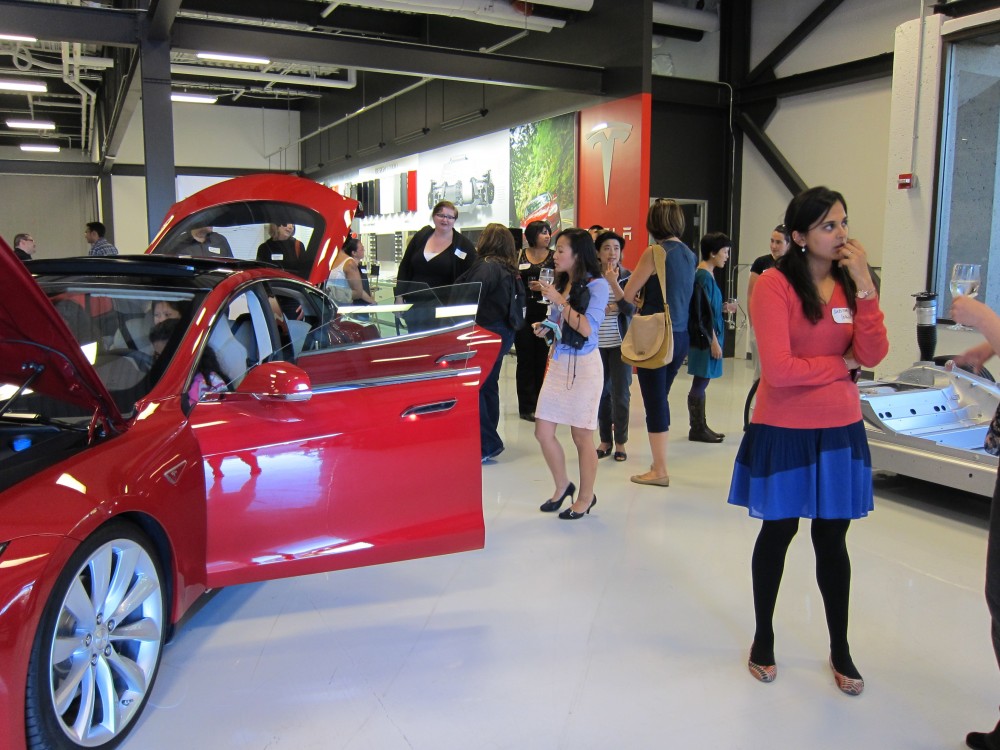
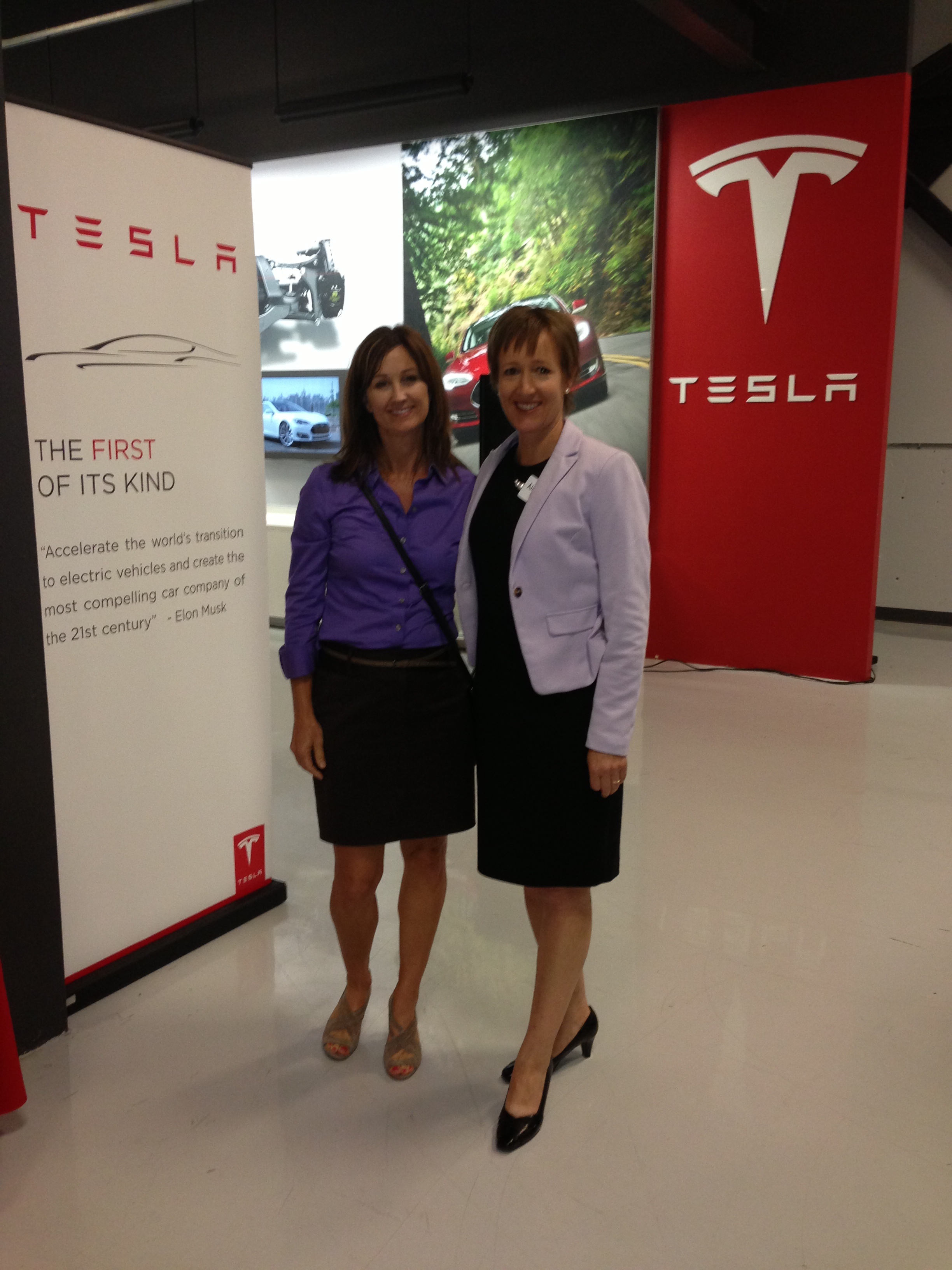
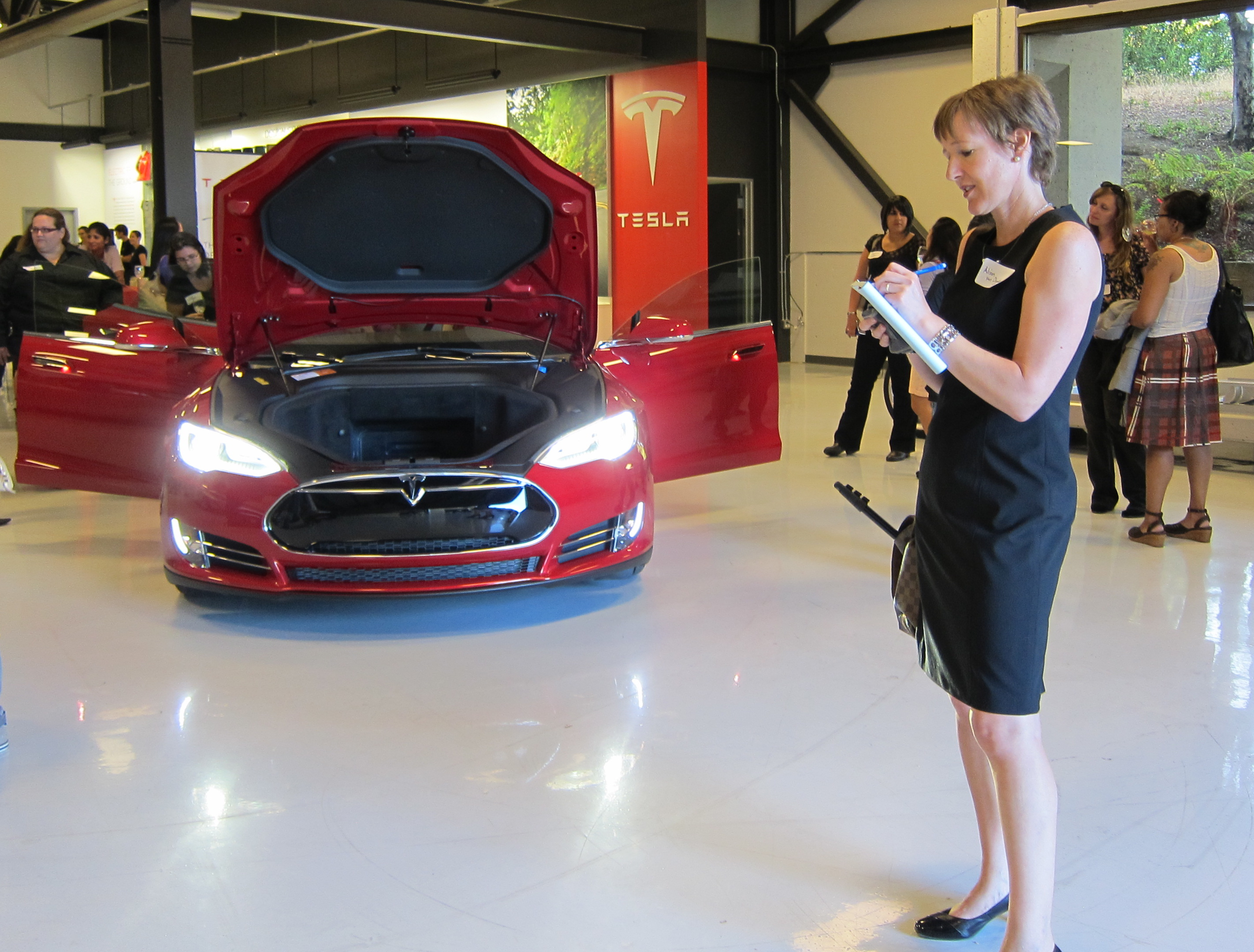
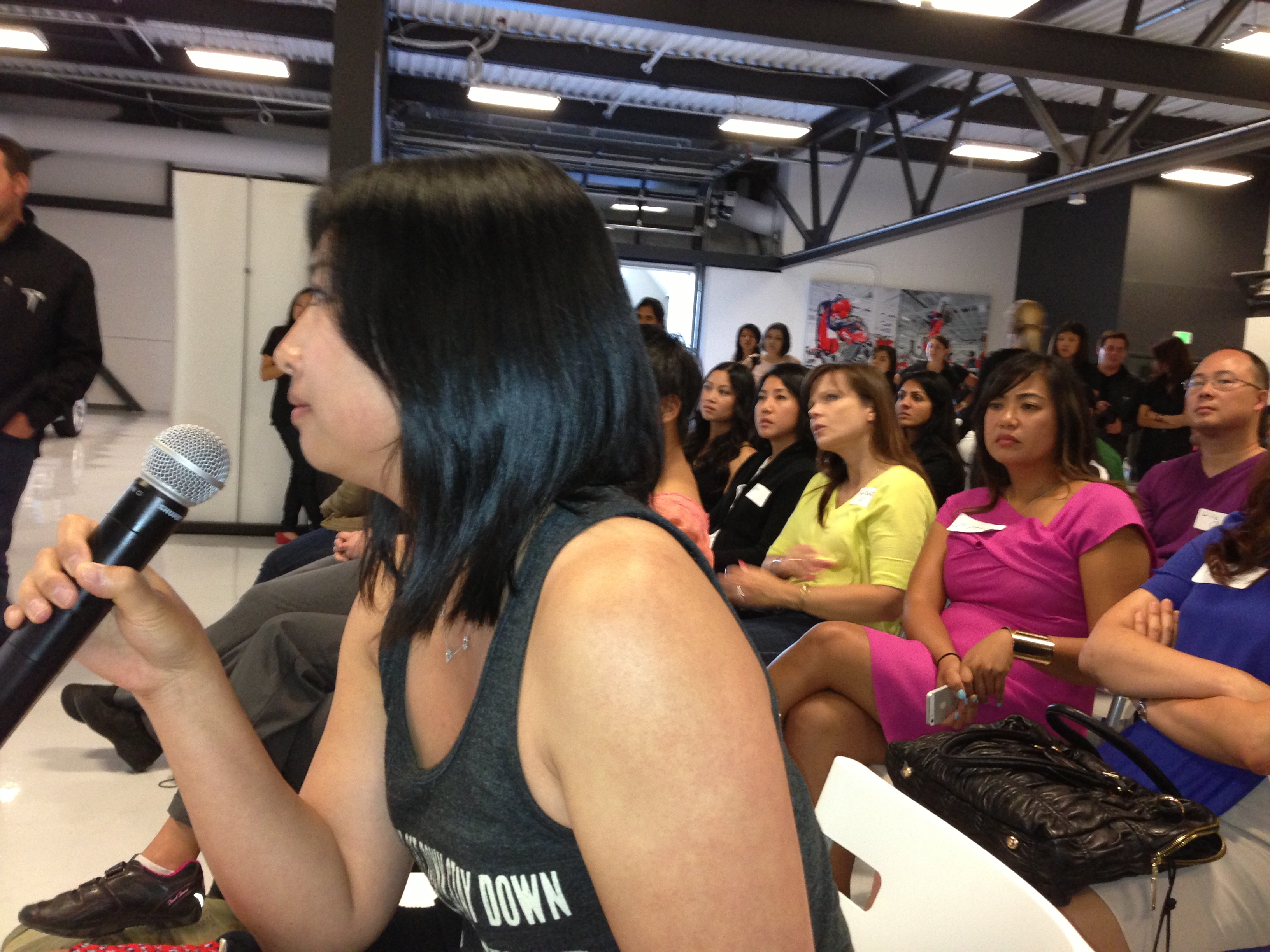
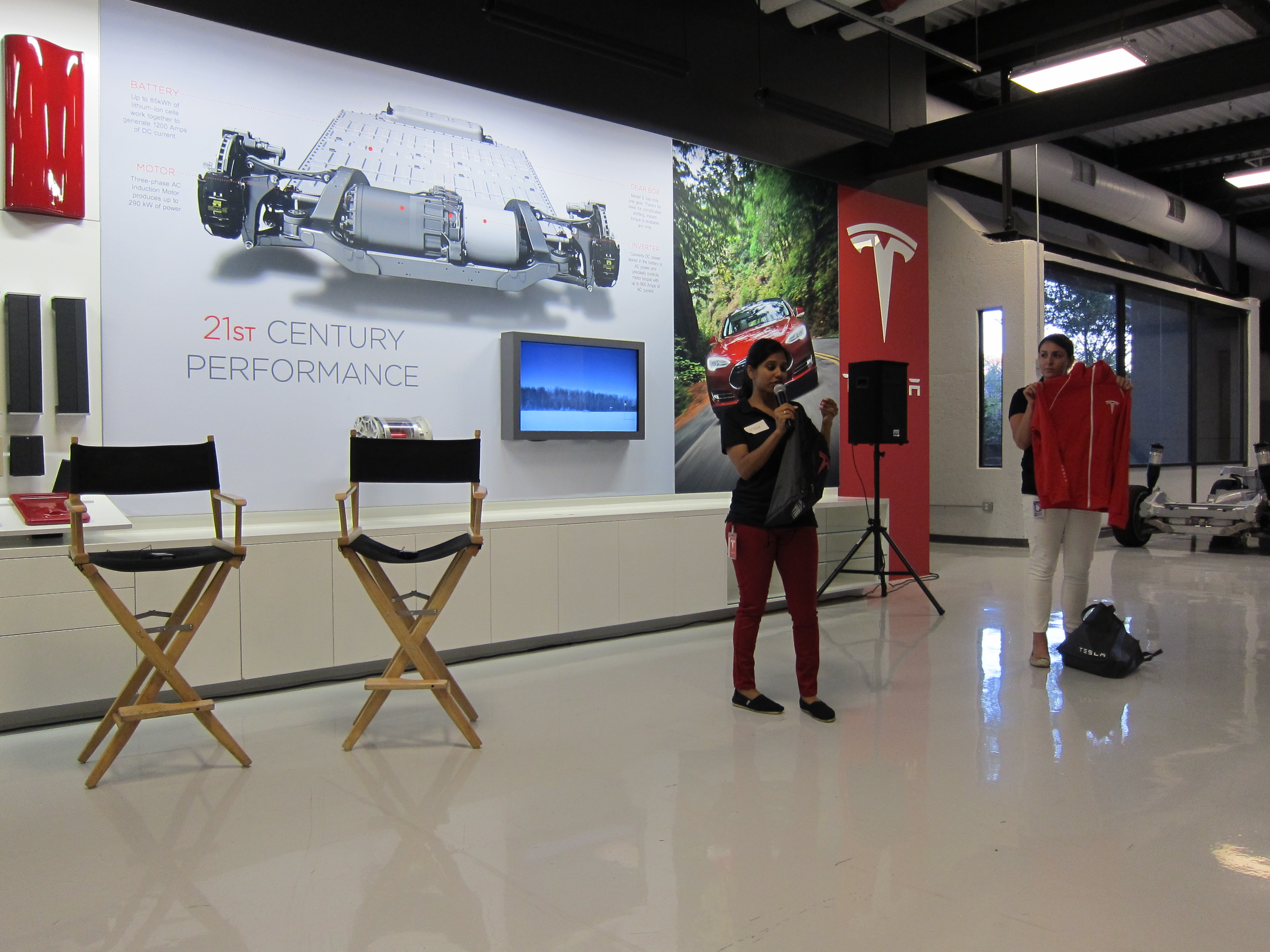
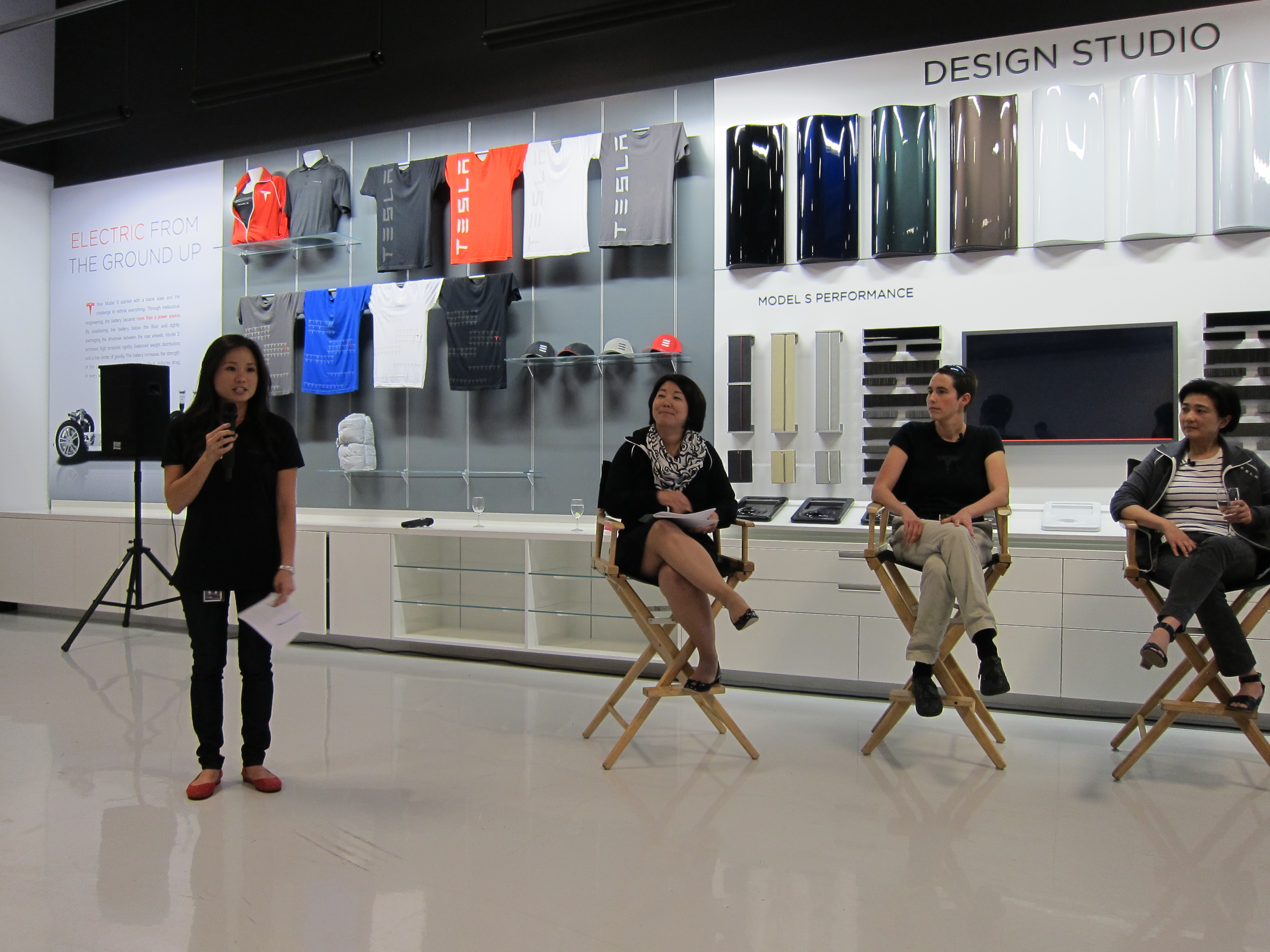
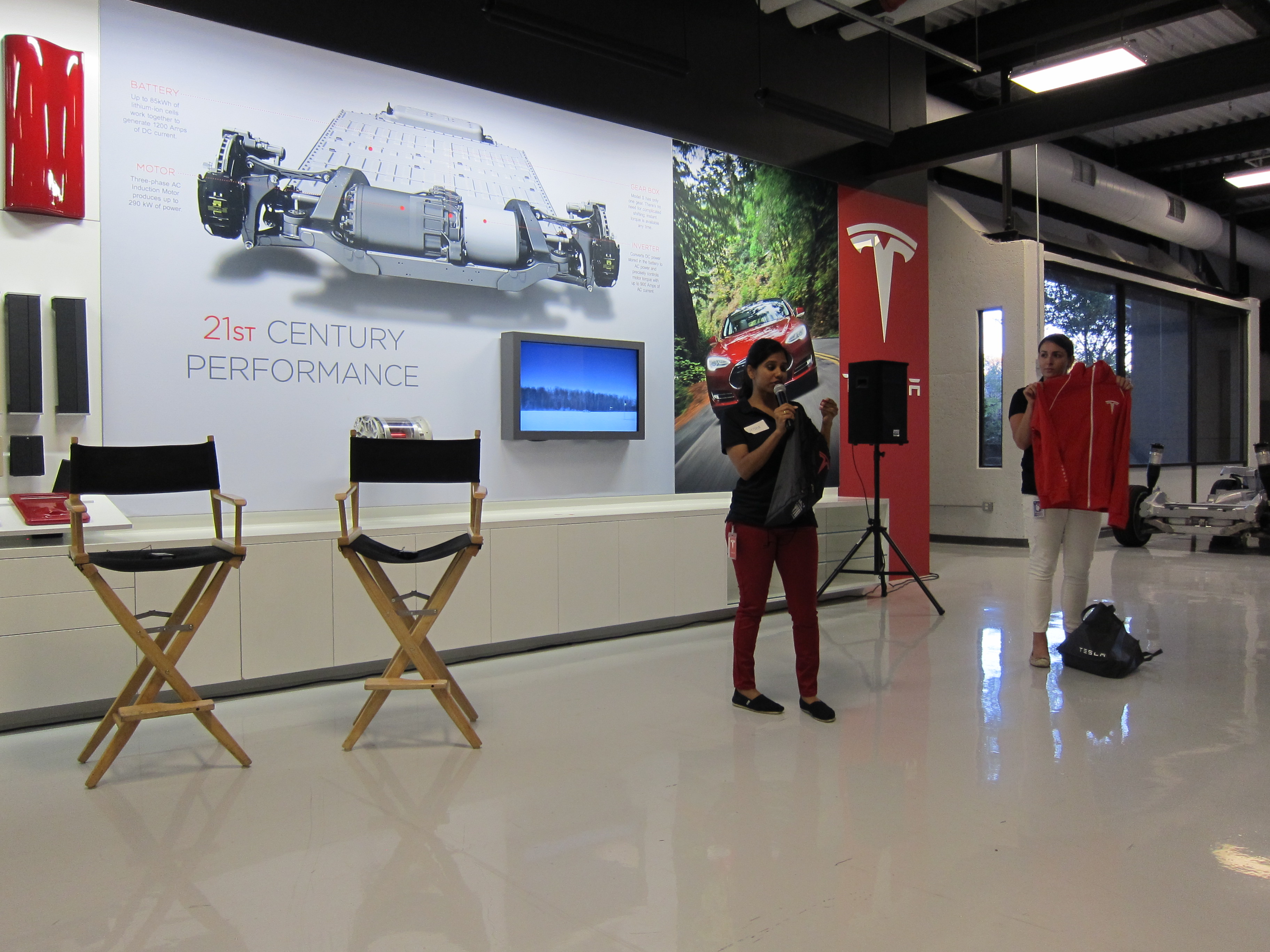
Well, that media delusion was dispelled last week when Tesla threw open the doors of its Palo Alto Headquarters and showed off a panel of top female engineers and leaders. The occasion was the 44th in a series of Bay Area Girl Geek Dinners, a popular women in tech group founded by Angie Chang and managed by the energetic Sukrutha Raman Bhadouria.
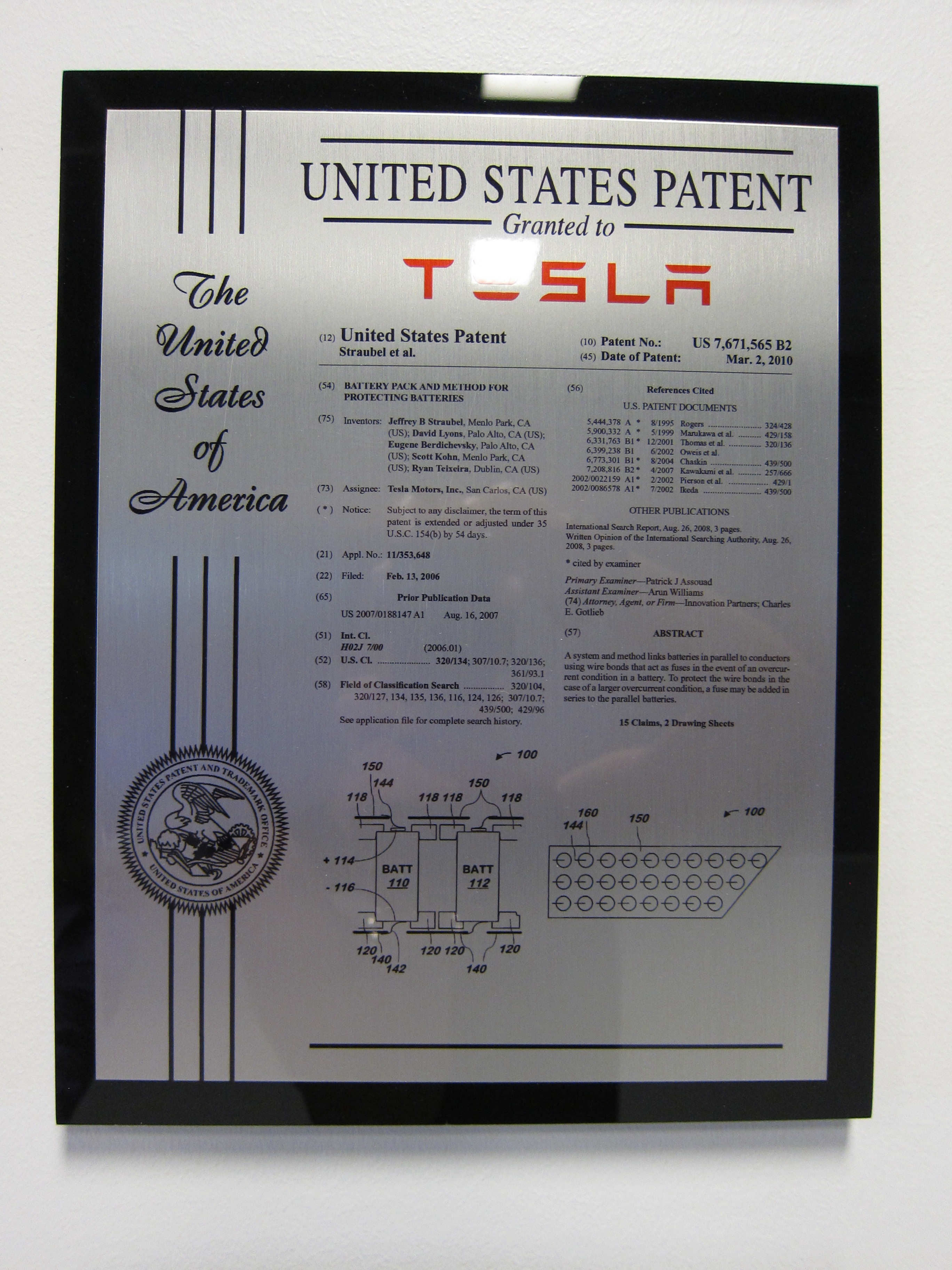
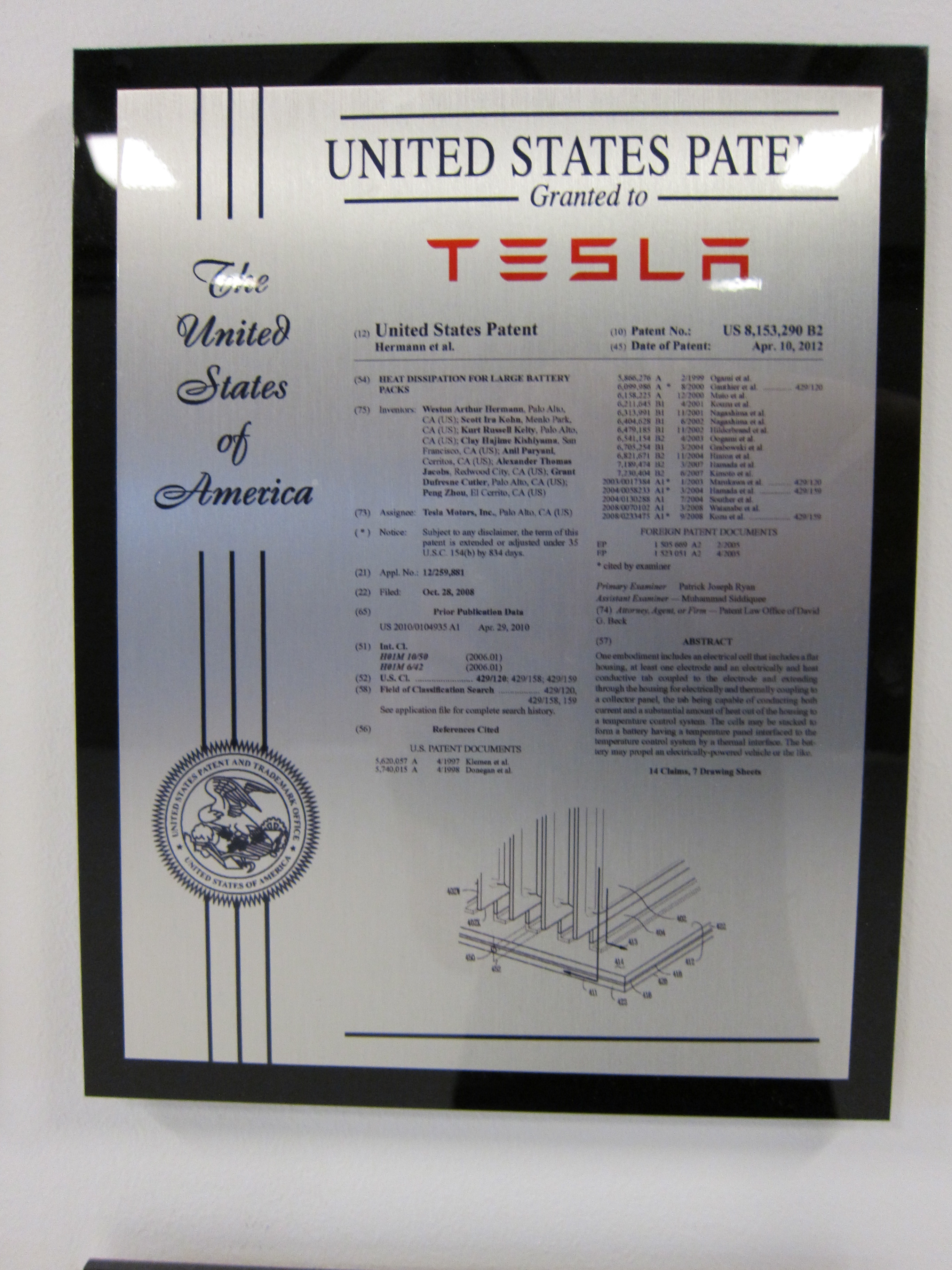
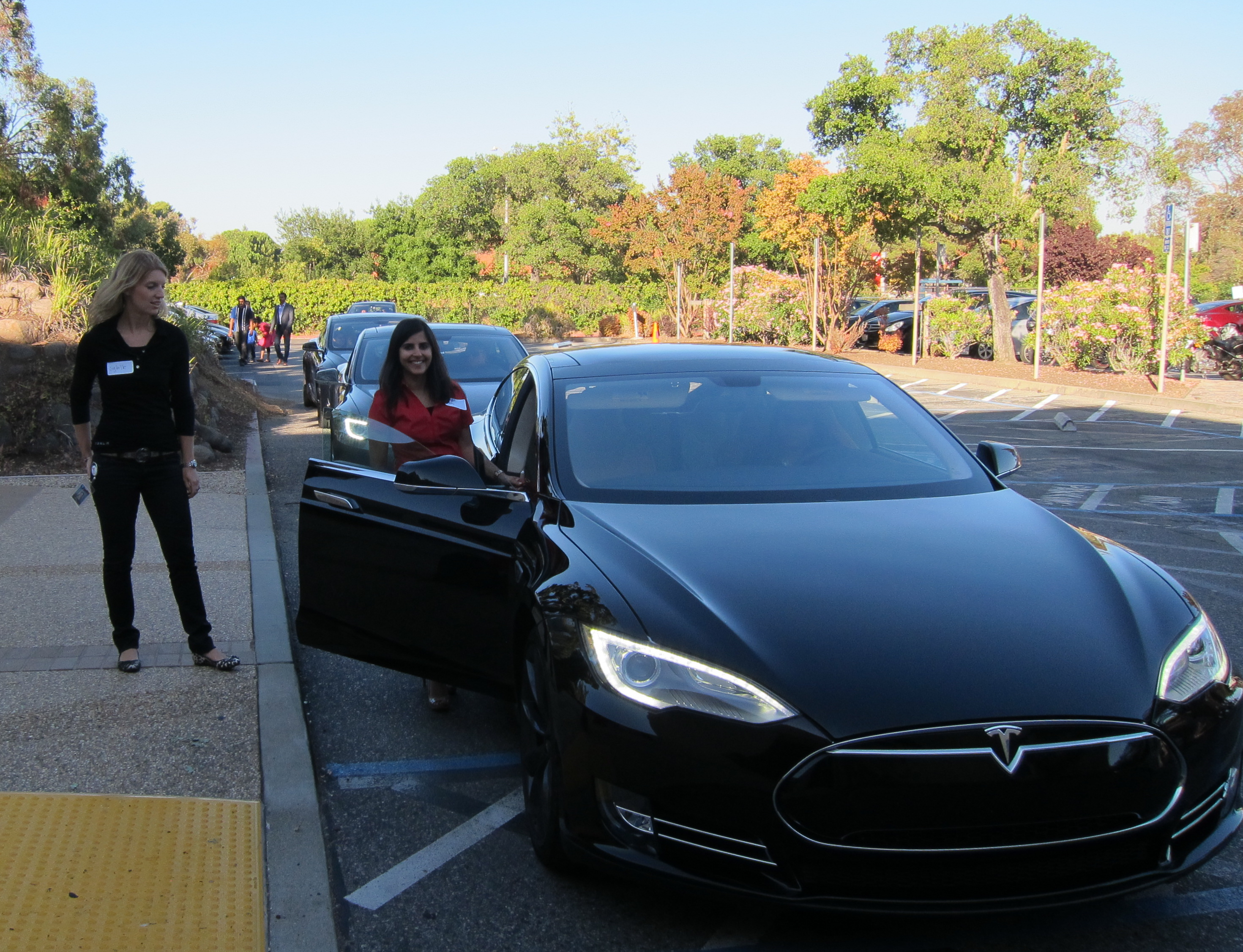
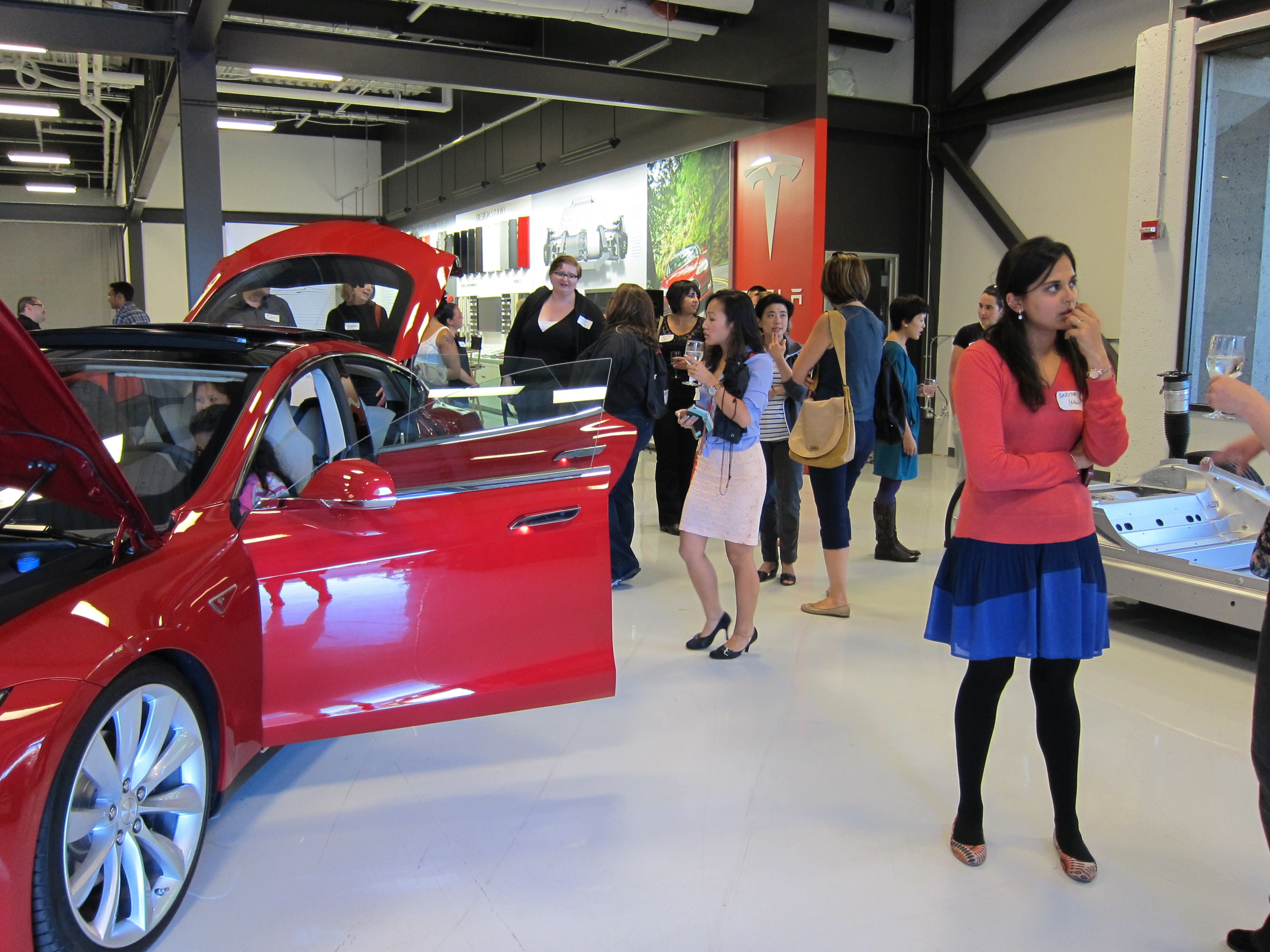
The group of 100 female techies was treated to Tesla Model S rides, product demos, networking with key members of the Tesla team; and a rare view of the Tesla patent wall (see photos below).
But the highlight of the evening was a lively panel of Tesla engineers and executives, including Katie Noble (Systems Integration Engineering Manager), Lauren Fullerton (Electronic Design Engineer), Miriam Vu (Product Manager), and Troy Nergaard (Senior Hardware Development Engineering Manager). Tesla’s Susan Repo (VP, Global Tax) did a solid job moderating the event and exploring:
1. The challenges of working at Tesla
2. Being a woman at Tesla
3. The importance of soft skills at Tesla
4. The legal action that Tesla faces from car dealers in some U.S. states.
“You work with aggressive people occasionally, both male and female… Passions are high at Tesla and things can get heated…If someone blows up, you try not to internalize things…(and) appreciate the passion they have for a particular problem.” Katie Noble
“At Tesla, you don’t have time to take the wrong path. As a leader you need to know when to step in.” Troy Nergaard
On Time Pressures at Tesla
“With Tesla moving so quickly, we may not have all the answers right up front before we start moving… We are a very small team in a company that’s trying to do a lot of things, so time is of the essence.” Miriam Vu
On The Types Who Work at Tesla
“There are “car geeks” and there are “green geeks.” Troy Nergaard
The Bay Area Girl Geeks Dinners boasts a membership of over 8,000 and demand for the events – hosted at top Silicon Valley companies like Google, Yahooo and Facebook etc are typically over-subscribed. This Tesla event had 2000 signups for 100 tickets. As a result Chang and Raman Bhadouria have created a lottery sytesm for tickets.

 Elon Musk: In the distant future, people may outlaw driving cars. It’s too dangerous. You can’t have a person driving a two-ton death machine. [laughter]
 Roizen: Let me answer this by starting at the 100,000 foot level. I’ve done a lot of reading about human happiness and I boil the answer down to having meaningful work and meaningful relationships. I believe that if you can do meaningful work with others you build even more meaningful relationships. I hate the word “network” as it almost has a negative connotation — none of us want to be cornered by a ‘networker’ at an industry cocktail party! But, instead I think of ‘building a network’ as a lifelong process of forming relationships with people, finding ‘fellow travelers’ who may share a passion for the same problem that needs to be solved, a skillset that is complementary but appreciated, someone with good common sense to bounce ideas off of — whatever brings value and meaning to each of us in a human connection. For me, those people and those relationships — new and old — help me to keep learning and keep finding new opportunities for work, for growth, for meaning.