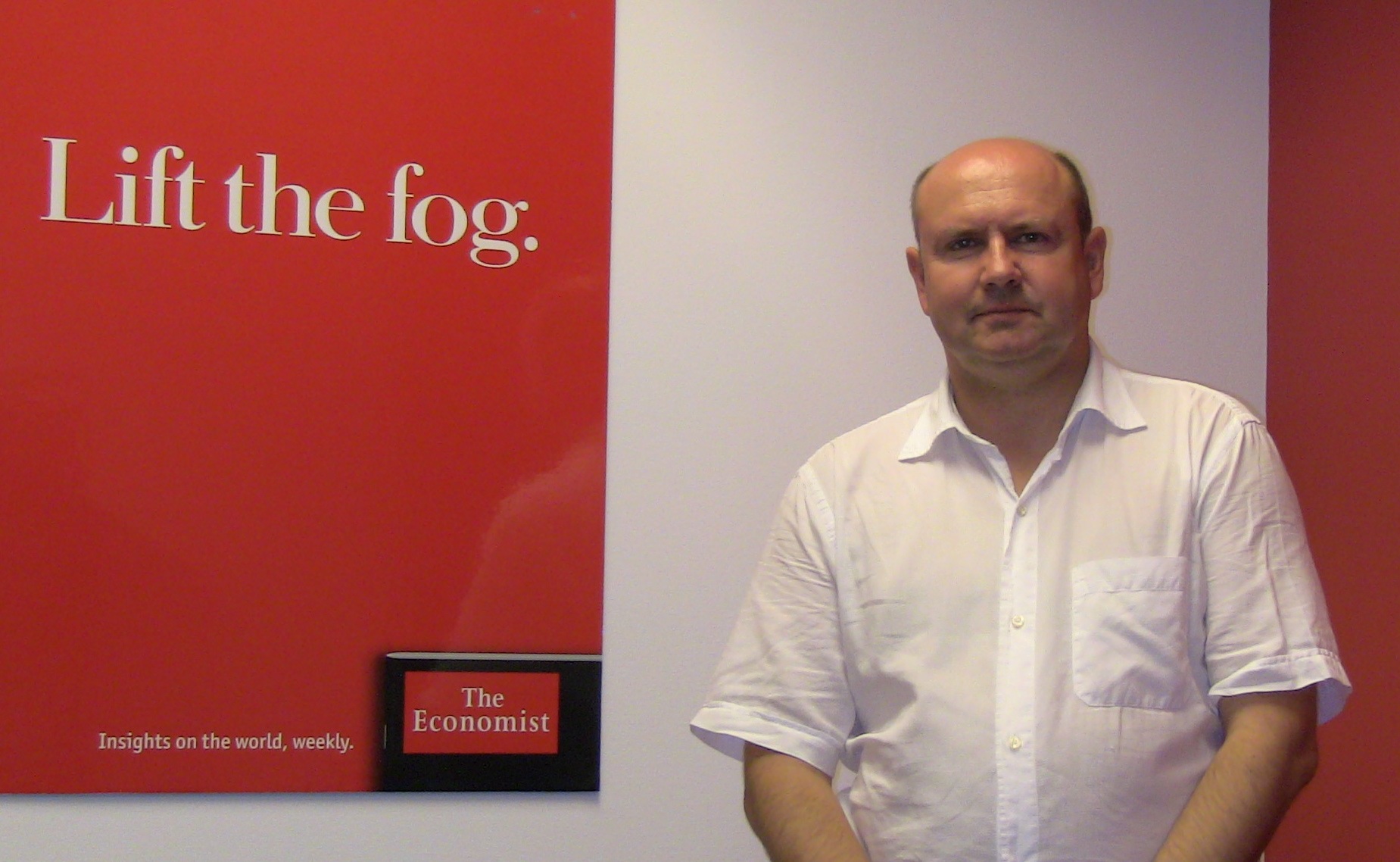
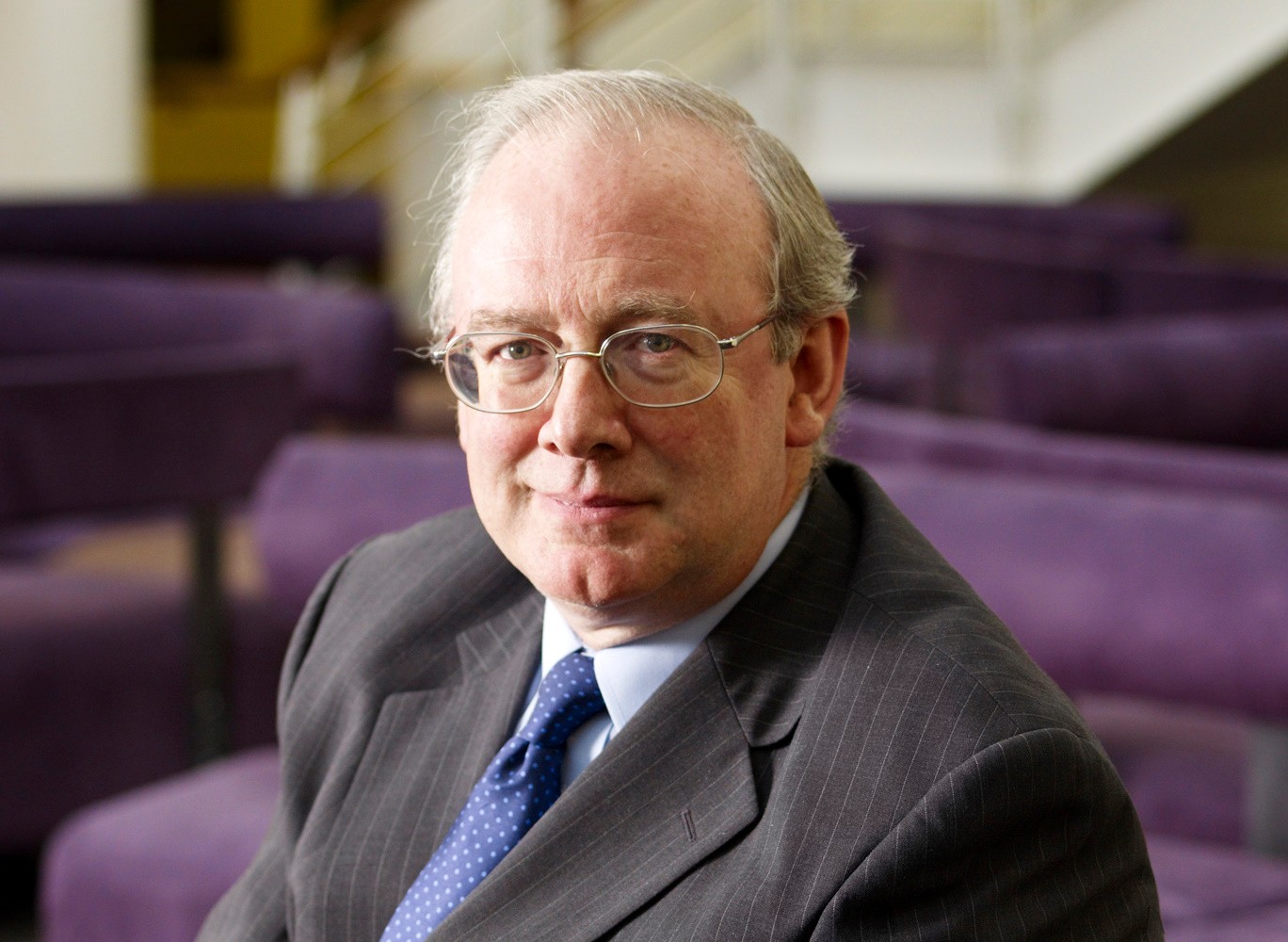
The Economist newspaper has a reputation for world-class reporting, with a sardonic British twist. Is the publication bullish about green innovation? I sat down with Martin Giles, the Economist’s US Technology Correspondent last week to get his global perspective on green innovation and the greening of Silicon Valley tech companies. Giles conducts interviews for the delicious Tea with the Economist series and other high profile conferences, but when the tables were turned, he didn’t disappoint. In this Fresh Dialogues interview, we talk GREEN, from data centers to smart grid; and green jobs to political bluster.
Is GREEN and sustainability important to tech companies today?
“It’s definitely on everybody’s agenda. It’s an opportunity to save money. If we can find ways of powering our server farms…our production lines more efficiently, we can save money and do a favor to the environment. That’s a win-win.”
What lasting green trends are happening today?
“E-waste is a big issue…How do we create products that don’t leave a massive footprint on the environment?”
“Smart grid… It’s classic Silicon Valley – it’s technology on the one hand and power on the other…let’s bring them together and create a whole new paradigm.”
You’ve no doubt heard about the November ballot measure (Proposition 23) which aims to to scupper California’s landmark climate change legislation, AB 32. In this Fresh Dialogues interview, Carl Guardino, CEO of the Silicon Valley Leadership Group, didn’t pull any punches in his response to those behind the plan.
“We’re not going to sit idly by and watch you dismantle our environmental achievements… which are also economic ones,” says Carl Guardino.
The Silicon Valley Leadership Group, which represents over 300 major companies in the valley, including Google, Hewlett Packard and IBM (approximately one in three private sector jobs) provides a proactive voice for Silicon Valley businesses on public policy issues, locally and in Sacramento and Washington D.C.
.
Here’s a recap of the issue:
AB 32 is the Golden State’s attempt to cap carbon emissions to 1990 levels by introducing a version of a cap-and-trade carbon tax which would hit power plants, refineries and cement manufacturers hard.
What is Proposition 23?
Supporters call it “The California Jobs Initiative,” and point to the high cost and potential job losses of implementing AB 32; but Proposition 23’s main impact would be to suspend (and effectively repeal) the provisions of AB 32. In turn, AB 32 supporters have launched a Stop Dirty Energy Prop Campaign to thwart the proposition. As of today, Proposition 23 is way ahead in the social media popularity index with over 4,500 Facebook “likes” for Prop 23 compared to just under 3,000 for its opponents.
And here’s how Guardino describes it:
“A veiled attempt to dismantle California’s environmental achievements.”
.
Who is behind it?
Two Texas-based oil companies, Valero Energy Corporation and Tesoro Corporation, provided the initial funding to launch the campaign. Valero donated over $4 Million to the cause.
Guardino’s argument
“This is an economic engine not a caboose and we’re not going to let folks ruin the engine that continues to fuel the renewable energy, clean green economy. It’s not only good for our environment – and it’s critical – it’s also good for our economy and jobs; and we’ve proved that through innovation of products, processes and what we do with our people every day in Silicon Valley.”
“What’s wonderful about Silicon Valley is that it’s never been an ‘either or’ – it’s never been about the environment or the economy,” says Carl Guardino. “We can have our cake and eat it too.”
Reid Hoffman’s concept of leveraging the power of entrepreneurship was echoed again this summer when I talked with Lesa Mitchell, VP for Advancing Innovation at the Kauffman Foundation. She shared her enthusiasm that, for the first time, the Federal Government is waking up to the enormous impact entrepreneurship can have on the economy and recently created an Office of Innovation and Entrepreneurship. It has limited staff and funding, but it’s a start. I wonder if it will one day include a department of GREEN entrepreneurship? It’s widely accepted that “picking winners” is not the best use of government resources, however, there is much government can do to create a fertile ecosystem for startups to thrive.
Lesa Mitchell recently testified before Congress and shared some of her top recommendations with me:
1. The need to development world-class commercialization boot camps for university students and faculty and entrepreneurs, to get innovation out of labs and into commercial production – this she says is the “low hanging fruit.”
2. Before giving grants, the government must set rules to encourage transparency, sharing data, resources and outcomes. Mitchell cited Kauffman’s iBridge Network (a Craigslist for innovation) as a suitable model to create a “lens into universities.”
3. A free agency licensing model should be adopted to encourage more rapid commercialization of innovation. This idea has created some controversy, but the Kauffman team should be applauded for not pulling its punches.
For more information on the Kauffman Foundation’s work on entrepreneurship and startup trends click here
Guy Kawasaki, the renowned Apple evangelist shares his top tips on how to become a great evangelist and how to leverage your success. This segment is part of a longer interview which took place in front of an audience of over 500 on July 7, 2010 at UC Santa Cruz Extension, and introduced my upcoming course in Green Entrepreneurship. First up: I asked Guy for TIPS ON EVANGELIZING
“The starting point for a great evangelist is to have a great product….” e.g. the Apple iPad: how hard could that be? Guy Kawasaki
“The thing that has made me successful is that – unlike a lot of people – I’m willing to grind it out.” ie long hours, hard work. Guy Kawasaki
On leveraging your success
“With a psych(ology) degree and a marketing background (diamonds), I’m living proof that you can fool most of the people all the time. I’m also living proof if you do one thing right (evangelize the Mac) – you can live off your reputation for decades.” Guy Kawasaki
Please check back soon for more interview segments with Guy on social media, increasing your followers on Twitter ( to 200,000+) and other wisdom from the author of The Art of The Startand 8 other books on business and entrepreneurship.
This week, we explore the progress of Novacem, the London based “green cement” manufacturer. On April 22nd, 2010, the company received an appropriate Earth Day honor: Novacem was named a Top 10 Emerging Technologyby MIT’s Technology Review Magazine.
“The annual TR10 spotlights the emerging technologies we find most exciting. These are the innovations most likely to alter industries, fields of research, and even the way we live and work,” said Jason Pontin, editor in chief and publisher of Technology Review magazine. “We celebrate the innovators making these accomplishments possible and look forward to their continued advancement within their respective fields.”
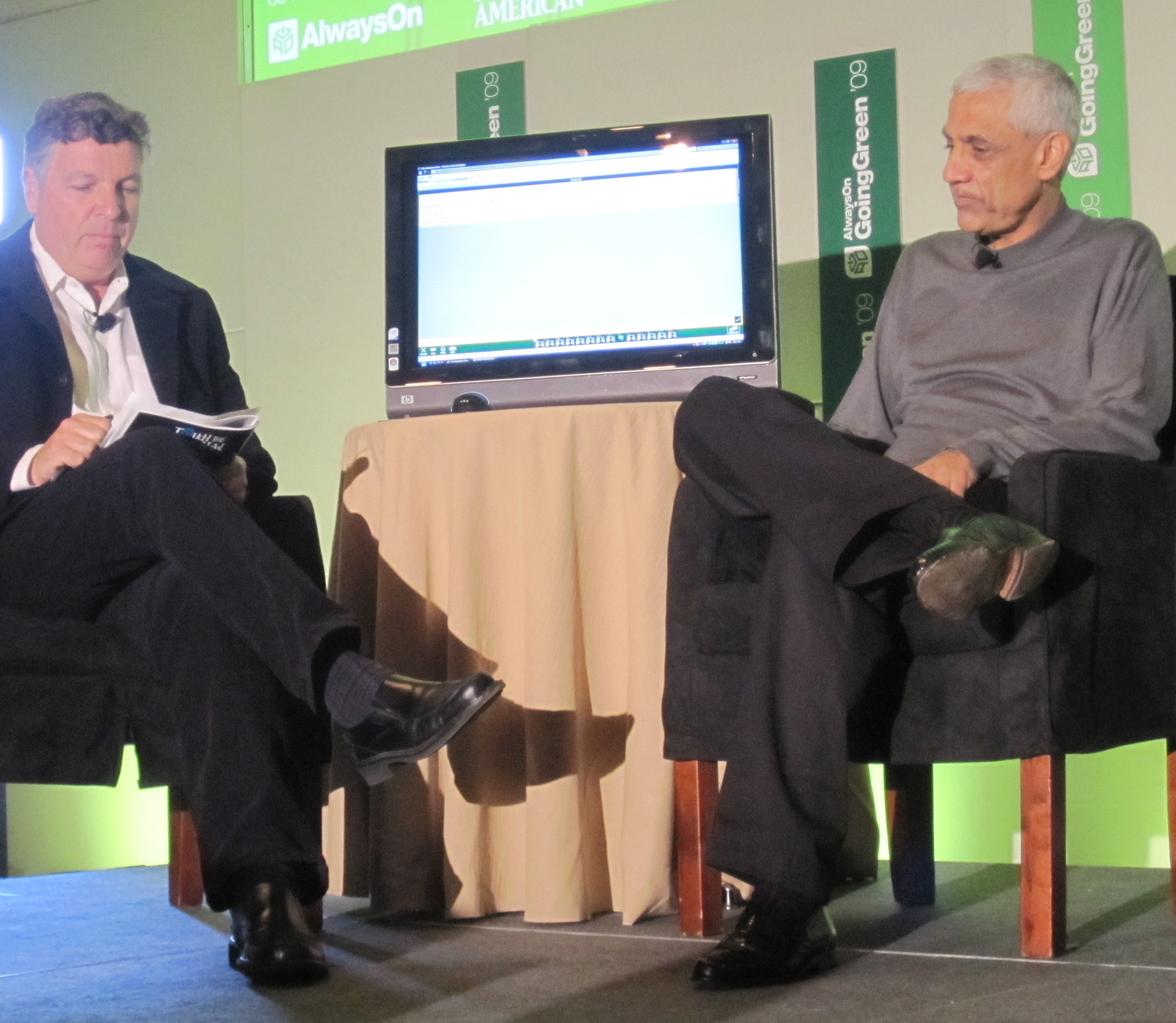
I caught up with Novacem’s Chairman, Stuart Evans at the AlwaysOn GoingGreen Conference in Sausalito last year to explore the company’s “secret sauce” and how it plans to compete with Khosla’s “favorite child,” Los Gatos based Calera. Here is the newly released video of our conversation.
.
At the conference last year, Vinod Khosla, the green investment guru, was asked to name the company with the greatest chance of becoming the next Green Microsoft while onstage at the GoingGreen Conferencein Sausalito. He declined to name his “favorite child” but did praise Calera, the green cement maker he’s backing; and spoke about the huge potential growth in this sector. Since cement production creates 2.5 billion tons of CO2 annually, representing 5% of manmade sources, it offers great potential in both climate change impact and market opportunity.
Stuart Evans, Chairman of Novacem, shares Vinod’s bullishness about the market for green cement. This British entrepreneur has assembled a team from Imperial College, London (he dubs it the MIT of the UK) and claims to have invented a carbon negative cement.
How does Novacem technology differ from Calera’s?
“The big play at Calera is that they want to go next to power stations to absorb the carbon dioxide there (carbon sequestration)… We’re making cement without a carbonate based feedstock. Vinod was talking about his materials being used in aggregate applications; we’re really replacing Portland Cement…we’re in the same space, we’re not head to head…we’re possibly even complementary. Besides, in a 2.5 billion (volume/ $150Billion) market, there are room for a couple of players…”
“Our cement doesn’t emit carbon dioxide, it absorbs carbon dioxide. We start with the material magnesium silicate (not calcium carbonate)… they have no carbon in them, so right there we’ve got a stunning advantage. We only work at 800 degrees centigrade (compared to Portland Cement which requires 1400 degrees) so the energy sources we can use include biomass fuels which have a much greener footprint. ..We add a magic sauce to it (a mineral additive) which means that the cement absorbs carbon dioxide rather rapidly.”
The importance of team
“The team is everything; money is important but the team is even more important.”
On Vinod Khosla’s expertise
“We are tremendously flattered that Vinod is following our lead and investing in green cement.” (A display of typical British humor here)
For more Fresh Dialogues interviews and transcript with Vinod Khosla, click here
The interview was recorded at the GoingGreen Conference, Sausalito on September 15, 2009. The background sound you hear is nautical ‘music’ from buoys, as container ships make their way under the Golden Gate Bridge.
For more info on Green Cement, check out these links
Vinod Khosla recently announced a new member of his Khosla Ventures team: none other than former British Prime Minister, Tony Blair, who has been a vocal proponent of action to combat climate change. According to reports, Blair will be a paid advisor and will add his eloquence and global connections to Khosla’s plans to change the world through cleantech investments.
“I’m absolutely thrilled, honored and delighted to team up with Vinod and the people he has working for him,” Blair said before taking the stage for a “fireside chat” with executives from six companies in Khosla Ventures’ vast portfolio. “Vinod is one of the most creative, dynamic and extraordinary people I’ve ever met in my life… the answers to climate change and energy security lies in the technological innovations. I am thrilled to play whatever small part I can.”
Chances are, Blair will play much more than a “small part” in keeping global warming and the need for cleantech innovation front and center. His eloquence and British accent will no doubt help. But he’ll be keeping his distance from his fellow Brits at BP who have created an environmental disaster.
Here is an interview from the Fresh Dialogues archives which explores Vinod’s motivations for investing in Bloom Energy, future predictions and his concern about cleantech bubbles.