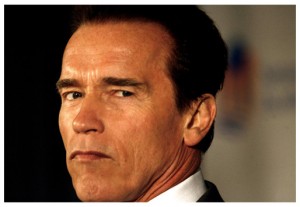
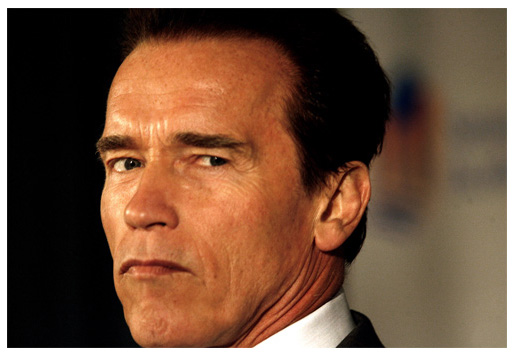
Arnold Schwarzenegger may be a self confessed “lame duck” governor but he is so angry at two Texan oil companies for pouring millions into Proposition 23 that he is taking his considerable charisma and energy on the road to prevent it passing. The Proposition seeks to freeze the California governor’s landmark climate change legislation (AB 32) and undermine his green legacy. Arnold argues the economic case for investing in green innovation (emphasizing job creation) and looks West….
.
“China has made a decision – backed by billions and billions of dollars – that green tech is where the economic action is going to be…it’s an ancient culture with new ideas. We cannot let American be a young culture with old ideas.” Arnold Schwarzenegger.
.
Backers of Prop 23 say AB 32 will damage the fragile California economy and kill jobs.
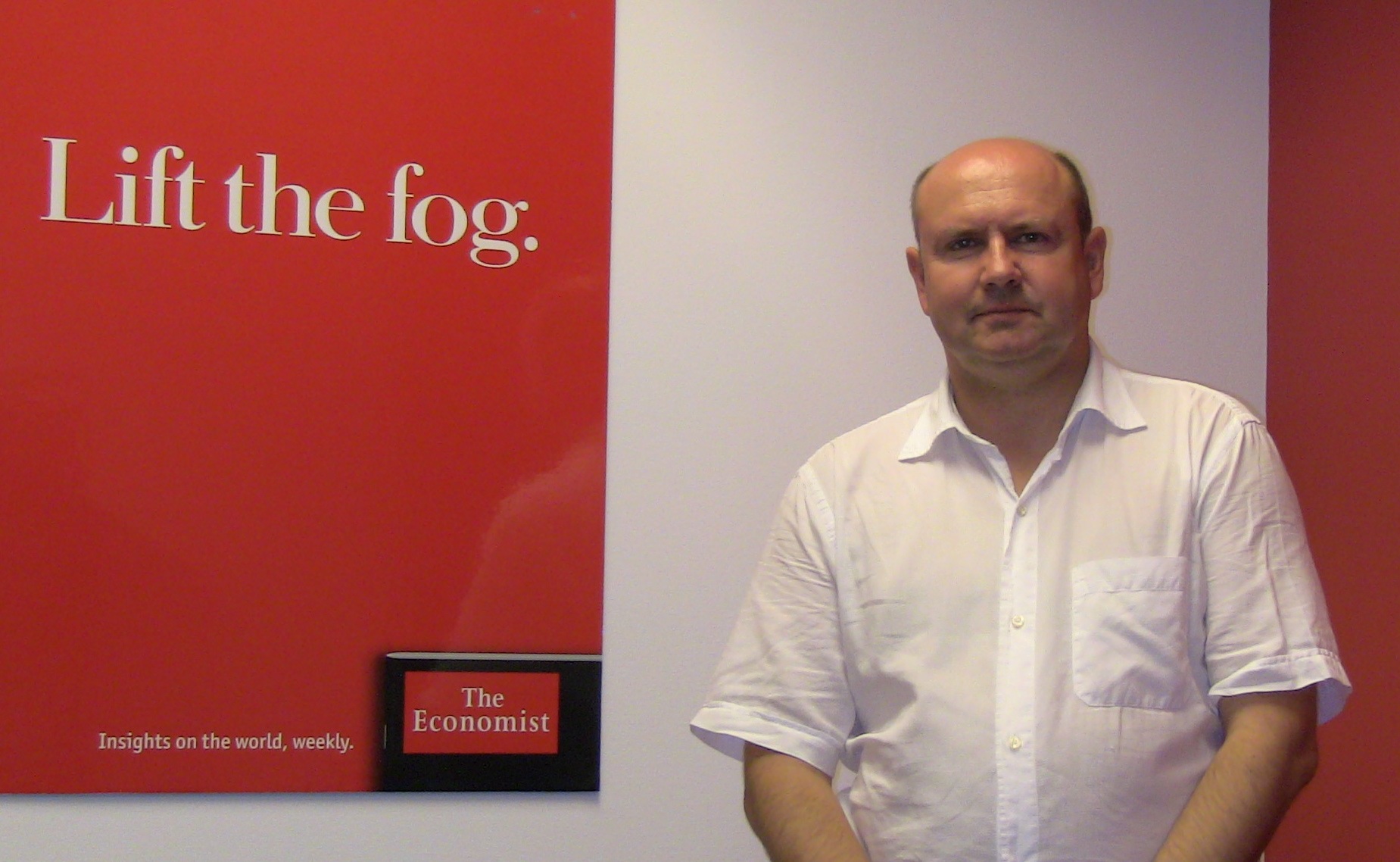
The Economist newspaper has a reputation for world-class reporting, with a sardonic British twist. Is the publication bullish about green innovation? I sat down with Martin Giles, the Economist’s US Technology Correspondent last week to get his global perspective on green innovation and the greening of Silicon Valley tech companies. Giles conducts interviews for the delicious Tea with the Economist series and other high profile conferences, but when the tables were turned, he didn’t disappoint. In this Fresh Dialogues interview, we talk GREEN, from data centers to smart grid; and green jobs to political bluster.
Is GREEN and sustainability important to tech companies today?
“It’s definitely on everybody’s agenda. It’s an opportunity to save money. If we can find ways of powering our server farms…our production lines more efficiently, we can save money and do a favor to the environment. That’s a win-win.”
What lasting green trends are happening today?
“E-waste is a big issue…How do we create products that don’t leave a massive footprint on the environment?”
“Smart grid… It’s classic Silicon Valley – it’s technology on the one hand and power on the other…let’s bring them together and create a whole new paradigm.”
“When did you see a $10 Billion market grow three orders of magnitude in 20 years?”
(That’s Platshon’s prediction for the growth in the lithium ion cell market as we drive more hybrid cars and new generation Electric Vehicles).
What will attract the attention of venture capitalists?
“We are looking for novelty and creativity…materials, systems, cooling…no one is going to find an execution plan because you are up against Samsung and Panasonic, the gorillas. You gotta do something that is truly novel, truly different and run like hell…cos they’re after you.”
.
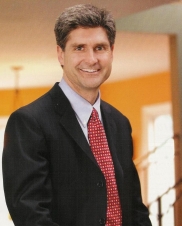
You’ve no doubt heard about the November ballot measure (Proposition 23) which aims to to scupper California’s landmark climate change legislation, AB 32. In this Fresh Dialogues interview, Carl Guardino, CEO of the Silicon Valley Leadership Group, didn’t pull any punches in his response to those behind the plan.
“We’re not going to sit idly by and watch you dismantle our environmental achievements… which are also economic ones,” says Carl Guardino.
The Silicon Valley Leadership Group, which represents over 300 major companies in the valley, including Google, Hewlett Packard and IBM (approximately one in three private sector jobs) provides a proactive voice for Silicon Valley businesses on public policy issues, locally and in Sacramento and Washington D.C.
.
Here’s a recap of the issue:
AB 32 is the Golden State’s attempt to cap carbon emissions to 1990 levels by introducing a version of a cap-and-trade carbon tax which would hit power plants, refineries and cement manufacturers hard.
What is Proposition 23?
Supporters call it “The California Jobs Initiative,” and point to the high cost and potential job losses of implementing AB 32; but Proposition 23’s main impact would be to suspend (and effectively repeal) the provisions of AB 32. In turn, AB 32 supporters have launched a Stop Dirty Energy Prop Campaign to thwart the proposition. As of today, Proposition 23 is way ahead in the social media popularity index with over 4,500 Facebook “likes” for Prop 23 compared to just under 3,000 for its opponents.
And here’s how Guardino describes it:
“A veiled attempt to dismantle California’s environmental achievements.”
.
Who is behind it?
Two Texas-based oil companies, Valero Energy Corporation and Tesoro Corporation, provided the initial funding to launch the campaign. Valero donated over $4 Million to the cause.
Guardino’s argument
“This is an economic engine not a caboose and we’re not going to let folks ruin the engine that continues to fuel the renewable energy, clean green economy. It’s not only good for our environment – and it’s critical – it’s also good for our economy and jobs; and we’ve proved that through innovation of products, processes and what we do with our people every day in Silicon Valley.”
“What’s wonderful about Silicon Valley is that it’s never been an ‘either or’ – it’s never been about the environment or the economy,” says Carl Guardino. “We can have our cake and eat it too.”
Reid Hoffman’s concept of leveraging the power of entrepreneurship was echoed again this summer when I talked with Lesa Mitchell, VP for Advancing Innovation at the Kauffman Foundation. She shared her enthusiasm that, for the first time, the Federal Government is waking up to the enormous impact entrepreneurship can have on the economy and recently created an Office of Innovation and Entrepreneurship. It has limited staff and funding, but it’s a start. I wonder if it will one day include a department of GREEN entrepreneurship? It’s widely accepted that “picking winners” is not the best use of government resources, however, there is much government can do to create a fertile ecosystem for startups to thrive.
Lesa Mitchell recently testified before Congress and shared some of her top recommendations with me:
1. The need to development world-class commercialization boot camps for university students and faculty and entrepreneurs, to get innovation out of labs and into commercial production – this she says is the “low hanging fruit.”
2. Before giving grants, the government must set rules to encourage transparency, sharing data, resources and outcomes. Mitchell cited Kauffman’s iBridge Network (a Craigslist for innovation) as a suitable model to create a “lens into universities.”
3. A free agency licensing model should be adopted to encourage more rapid commercialization of innovation. This idea has created some controversy, but the Kauffman team should be applauded for not pulling its punches.
For more information on the Kauffman Foundation’s work on entrepreneurship and startup trends click here