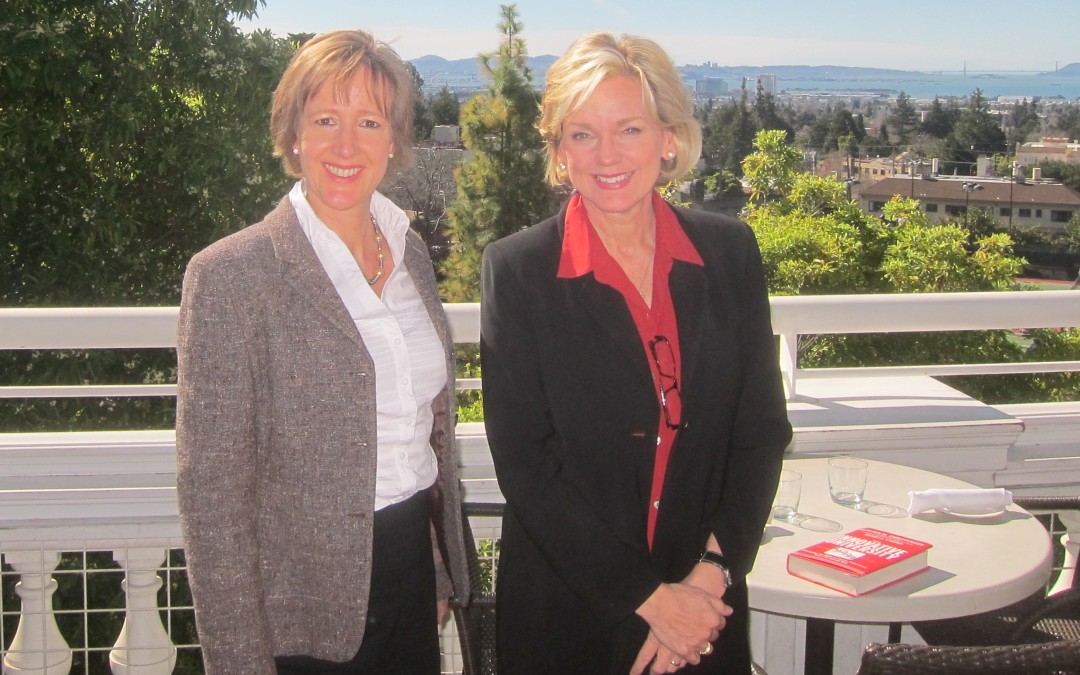
Let’s face it, President Obama is struggling to get anything through Congress right now, never mind a national energy policy, but here’s a big idea from Berkeley’s Jennifer Granholm to create more clean energy and clean jobs… from the bottom up.
You may remember Jennifer Granholm as the Governor of Michigan (2003-2011), the TV host of “The War Room” or the passionate speechmaker at the DNC 2012; but perhaps her most lasting contribution to the world will be this big idea: a Clean Energy Race to the Top.
Leveraging her experience in Michigan, where she attempted to transform the state’s “rustbelt” image to “greenbelt” by investing heavily in clean energy and green jobs, she’s seen the strategy’s economic impact and is eager to keep the momentum going. This time, on a national basis.
.
.
Modeled after the Education Race to the Top (RTT), her clean energy idea is to offer a pot of money to incentivize all 50 states to compete and raise their clean energy standards to 80% by 2030. Just think: The Amazing Race for Clean Energy.
Her budget? A cool $4.5 Billion. By her calculations, that’s less than one tenth of 1% of Federal funding (and close to the RTT budget for education), nevertheless in today’s economy, funding prospects look grim.
Granholm’s Clean Energy Race to the Top sounds like a smart idea, but in these times of brutal belt tightening and sequestration, securing that funding looks like mission impossible. It will be fascinating to watch the debate unfold here and at her TED talk; and see if she gets any traction for it during this congress.
It might not be perfect time for a Clean Energy Race to the Top, but don’t expect the idea to wither and die. Granholm may be keeping a relatively low profile as a law professor at UC Berkeley these days, but if there’s another Clinton (or Obama) in the White House in 2016 or beyond (I’m talking Hillary or Michelle), we may see Granholm taking a cabinet role. She’s earning her stripes for a position as Energy Secretary, and that could one day make her big idea a reality.
This Fresh Dialogues interview took place at the Claremont Hotel, Berkeley on February 21, 2013
Get this: It’s not the 330 year-old Douglas fir tree, sliced open to reveal stunning time markers, or the 20 foot tall “Tinkerers’ Clock,” powered by windshield wiper motors.
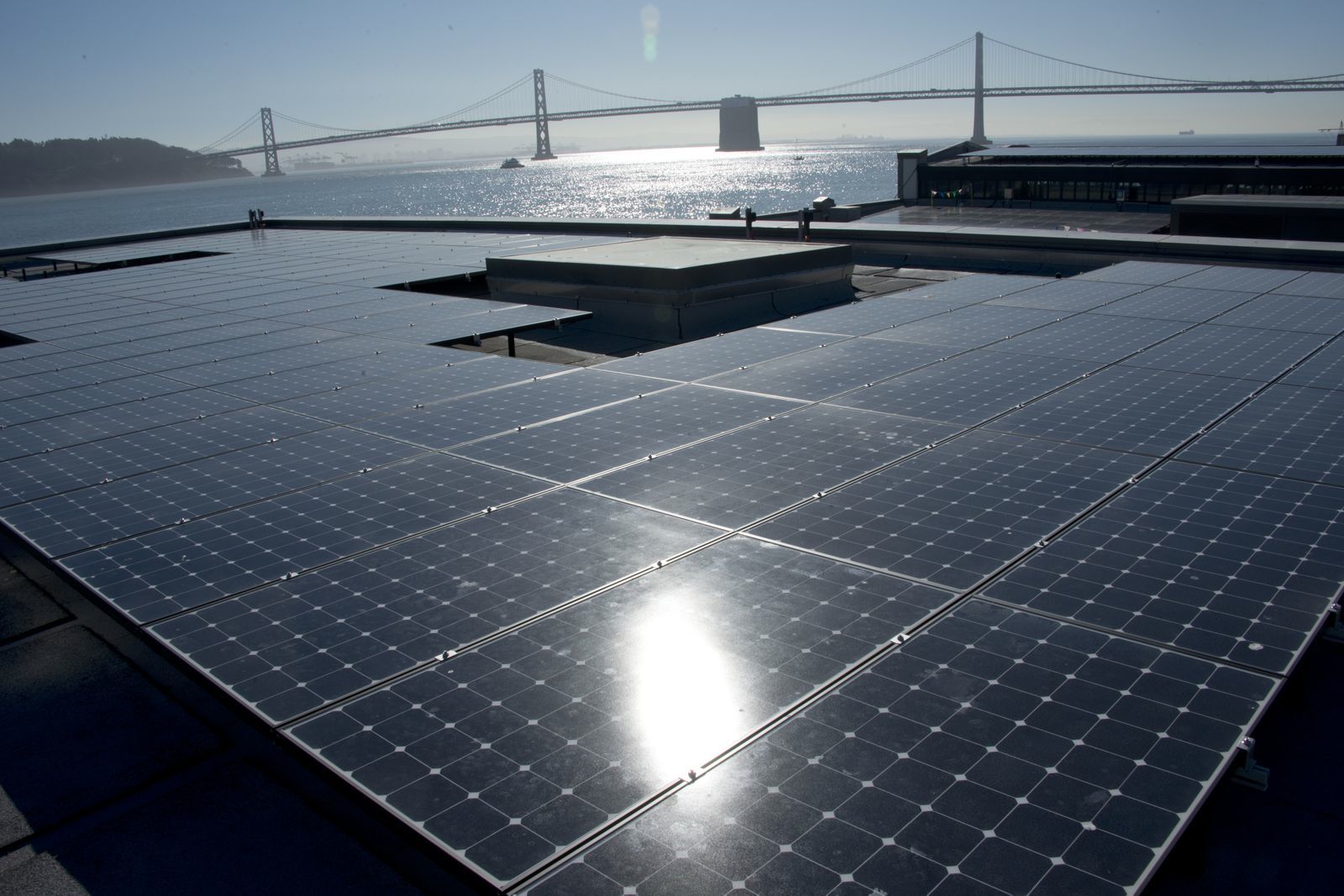
No. It’s the entire Exploratorium structure itself, an audacious experiment in green building that aims to create the world’s largest “net-zero” energy museum.
What’s “net-zero,” you ask? Simple, it’s a building that creates as much energy as it consumes.
.
How it works
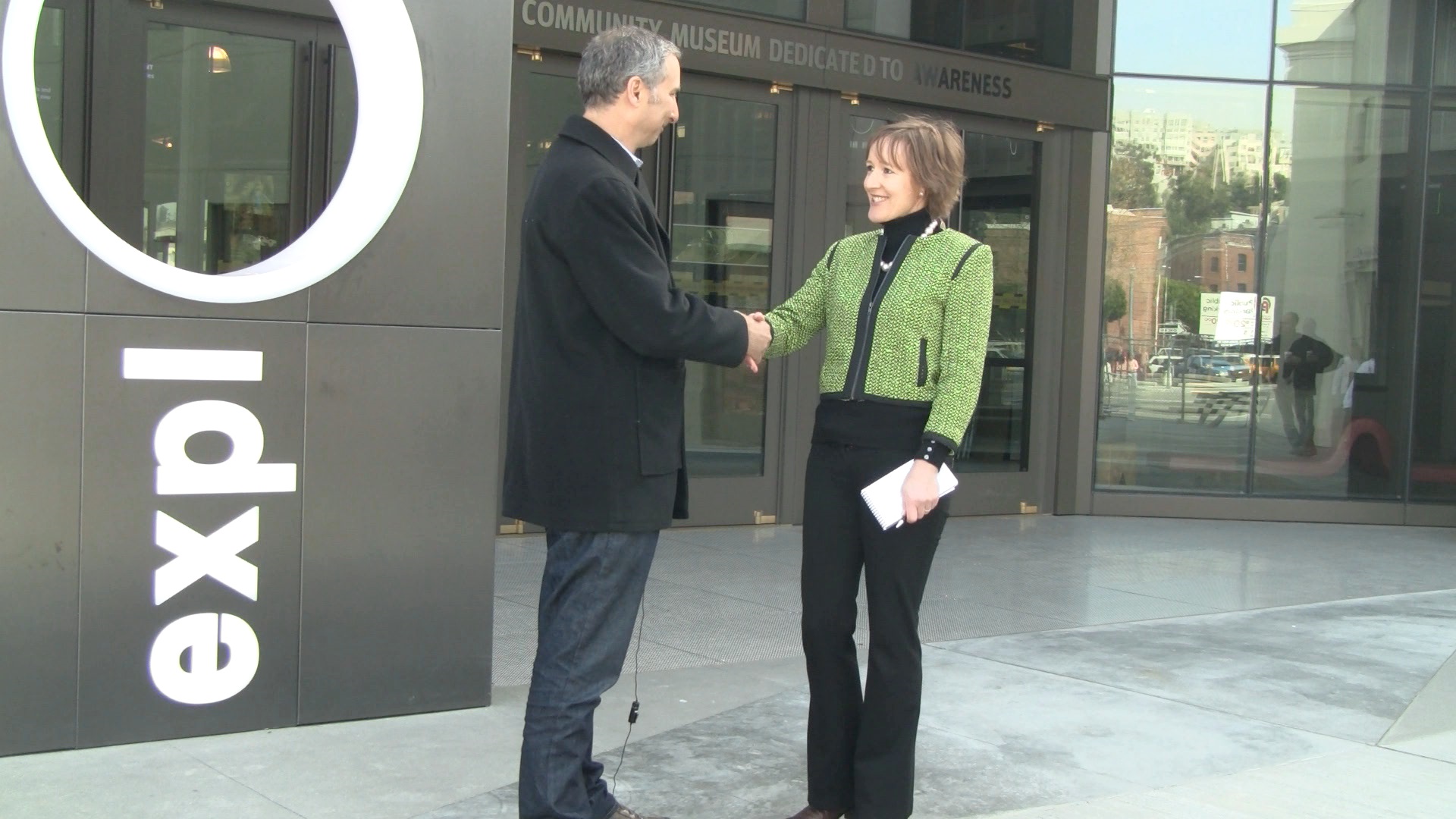
Peter Rumsey, CTO at Integral Group led the design of the building’s net-zero components and explains to Fresh Dialogues how it all works in this video.
A complex system that brings in 74,000 gallons of water per hour from San Francisco Bay to heat and cool the building via miles of floor-embedded pipes;
A rain-water catchment used for flushing toilets.
Rumsey may be an enthusiastic advocate for green building, but what gets him most excited is the idea that the San Francisco Exploratorium will inspire kids to think net-zero is the way of the future.
“They’re going to say, ‘Wow, that’s one of the things we can do to solve this whole big climate change problem,” says Rumsey. “We can design and build buildings that make their own energy and don’t create a carbon problem.’ As kids grow up and become leaders in society, they’ll be the ones saying, ‘we should just do that zero energy thing. I saw it when I was a kid…it was no big deal.'”
Despite much talk about the state of the art green building features, Rumsey says, “There’s nothing cutting edge about the building…we’ve taken things that are ‘off the shelf’ and applied them in creative and innovative ways. We call it ‘state of the shelf’.”
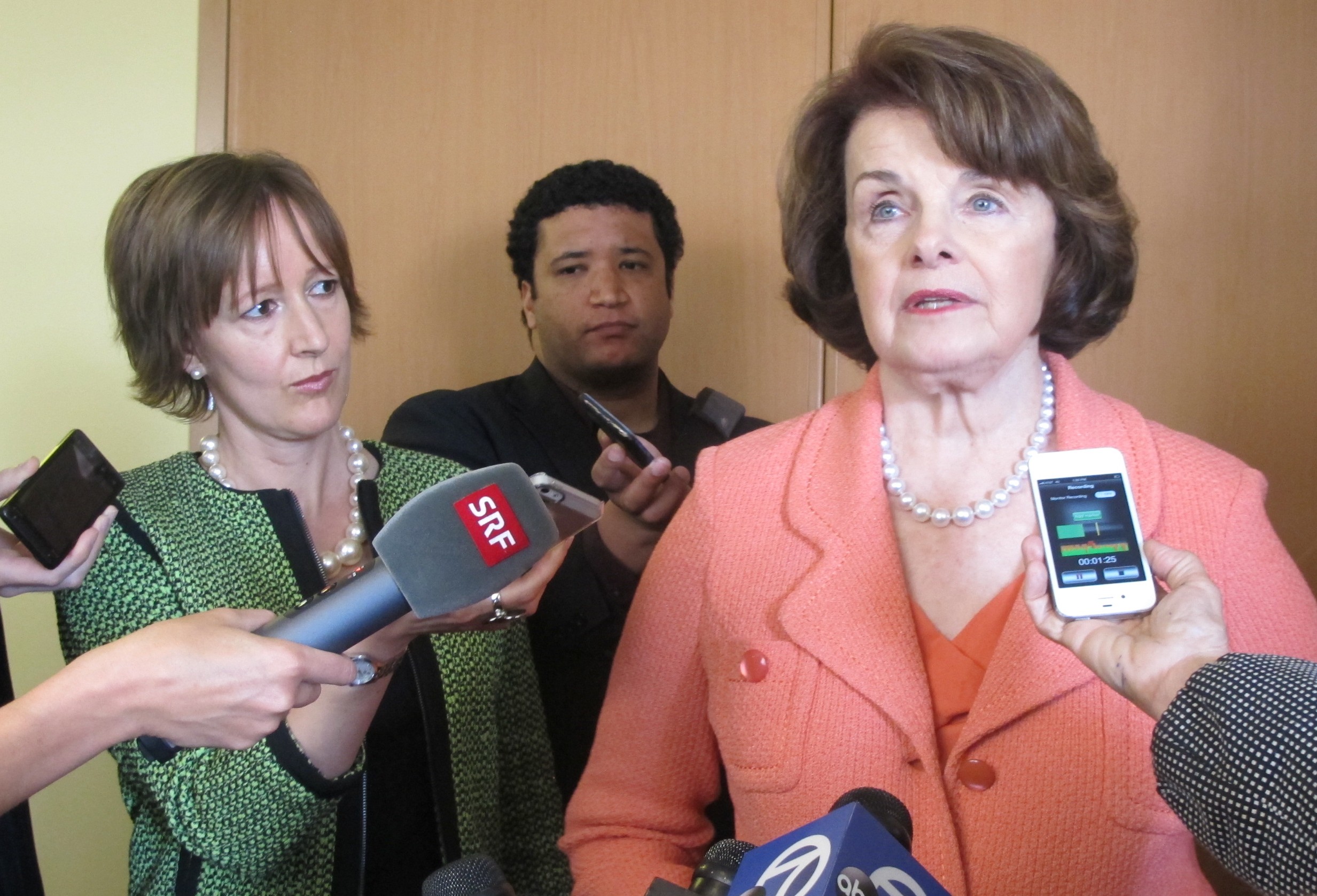
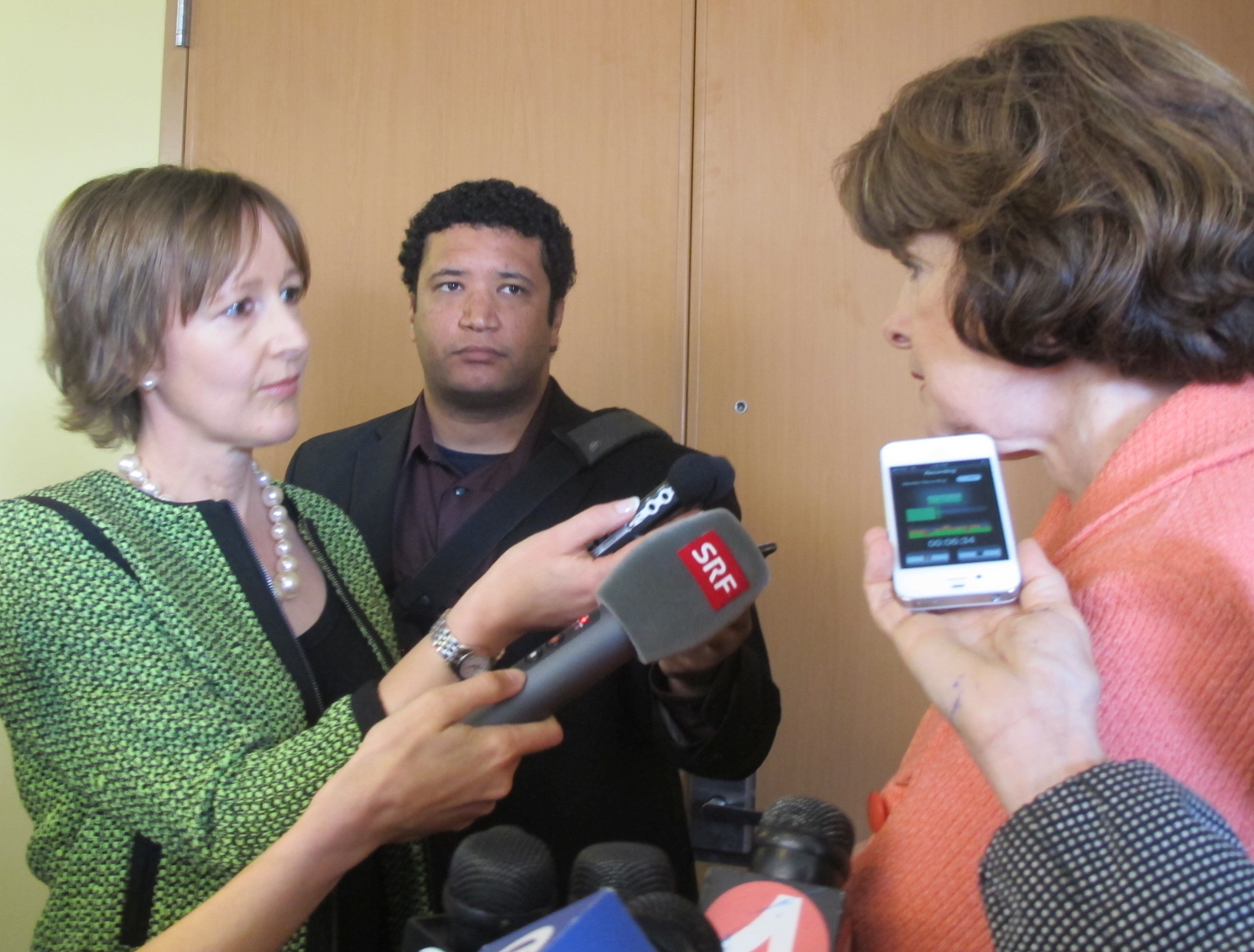
Senator Dianne Feinstein shared her plans to introduce a new “carbon fee” bill, during a press conference Wednesday in downtown San Francisco.
“I think a carbon fee is growing in popularity,” said Feinstein, after an appearance at the Commonwealth Club. Her plans follow President Obama’s SOTU call for “market based solutions to climate change,” and a growing consensus among experts in favor of using the taxation system to control carbon dioxide emissions.
She referred to her colleague, Senator Barbara Boxer’s recent bill (co-sponsored by Sen. Bernie Sanders), which proposed a “carbon fee and dividend scheme” that would tax carbon emitters, such as coalmines, at the source. Here’s the rationale:
By increasing the price of fossil fuel in the market…
It levels the playing field between carbon-based fuels and renewable fuels, such as wind and solar, making renewables more competitive and attractive to consumers and investors.
A portion of the “dividend” (the carbon “fee” proceeds) would be refunded to US residents.
Similar schemes have been implemented in British Columbia, Sweden and Ireland with some success. The aim is to encourage consumers to see the true cost of their energy choices. The fee represents some of the externalities of choosing fossil fuel, such as particulate pollution and greenhouse gases, which contribute to climate change.
Feinstein’s proposal was short on details, but she confirmed, “It’s my intention to introduce a fee of $10 a ton and we’ll see what happens to it.”
The Boxer-Sanders proposal is for a tax (or “fee”) of $20 per ton of carbon. Presumably Feinstein feels it’ll be more palatable to start at a lower level and gradually phase in a higher tax over several years.
Feinstein acknowledged that with other issues stealing center stage (notably saber-rattling in North Korea and the ongoing domestic gun control debate), climate change is not currently on the government’s “high priority list,” so it’s hard to predict what progress the government will achieve.
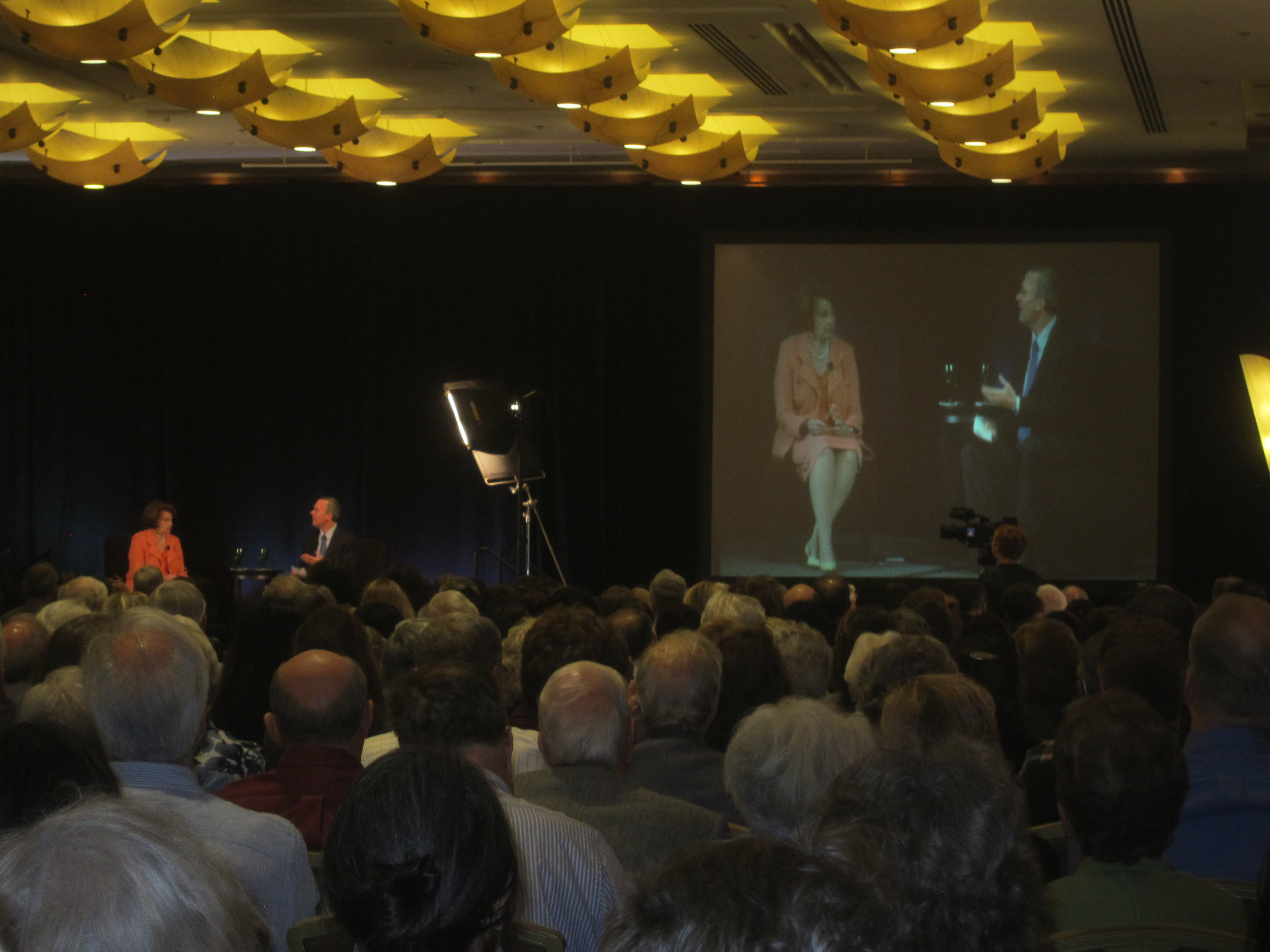
Nevertheless, Feinstein was vocal on the topic of climate change and bullish about renewable energy during an earlier interview with the Commonwealth Club’s Greg Dalton:
“People don’t really understand. They think the earth is immutable. They think we can’t destroy it, that it’s here to stay. It’s not so… As we fill the atmosphere with pollutants: methane, carbon dioxide, other things…it warms the earth. And it begins with animal habitat disappearing, the ocean beginning to rise, more violent hurricanes, tornadoes…drought is more prevalent.”
“What’s going to be the ultimate change is weather. People see weather, they see the devastation and so eventually people are going to come around to support restrictions on carbon dioxide, maybe a fee on the use of carbon to replace our deficit, our debt. A $20 fee (per ton of carbon or methane equivalent) is like $1.2 Trillion in revenue over 10 years. If you just take half that: $600 Billion.”
“I wouldn’t say there’s much (support in the Senate) but I would say this: people are coming to realize now… climate change is getting worse. Actually since 2008, ‘good energy’ has doubled. Electric cars are being more prevalent, hybrids are being more prevalent. People are saving money. Good things are happening. The question is: can we really bite the bullet and make the decision that we’re going to save the planet?”
On the Keystone Pipeline
“I’m told the area in Alberta (Canada) is bigger than the state of Florida, I’m told it’s a forested area which they mow down and begin to dig the huge giant lakes which they pour chemicals in to produce this form of tar sands oil. The earth is defaced forever.”
“Now we have to make up our minds: do we want to deface large portions of our earth forever? I don’t think so because we’re making progress on clean energy and that ought to really be where we go.”
“Some people say if the pipeline isn’t built north-south through the center of our country, they’re only going to do it east to west and send it to China. That’s not a good argument.”
Feinstein urged the audience to read the latest article on tar sands from National Geographic.
On California’s Monterey Shale Reserves
“I don’t think candidly that it’s all that necessary. There will be no oil drilling off the coast of California, if Senator Boxer and I prevail, and we have so far. My emphasis would be on clean energy: the wind farms, the solar facilities and there’s so much research going on on different forms of fuel. Leave those fossil fuels alone because they pollute the atmosphere.” Read more on the country’s largest shale oil resource from KQED.
Photo by Alison van Diggelen
On Tesla’s Model S
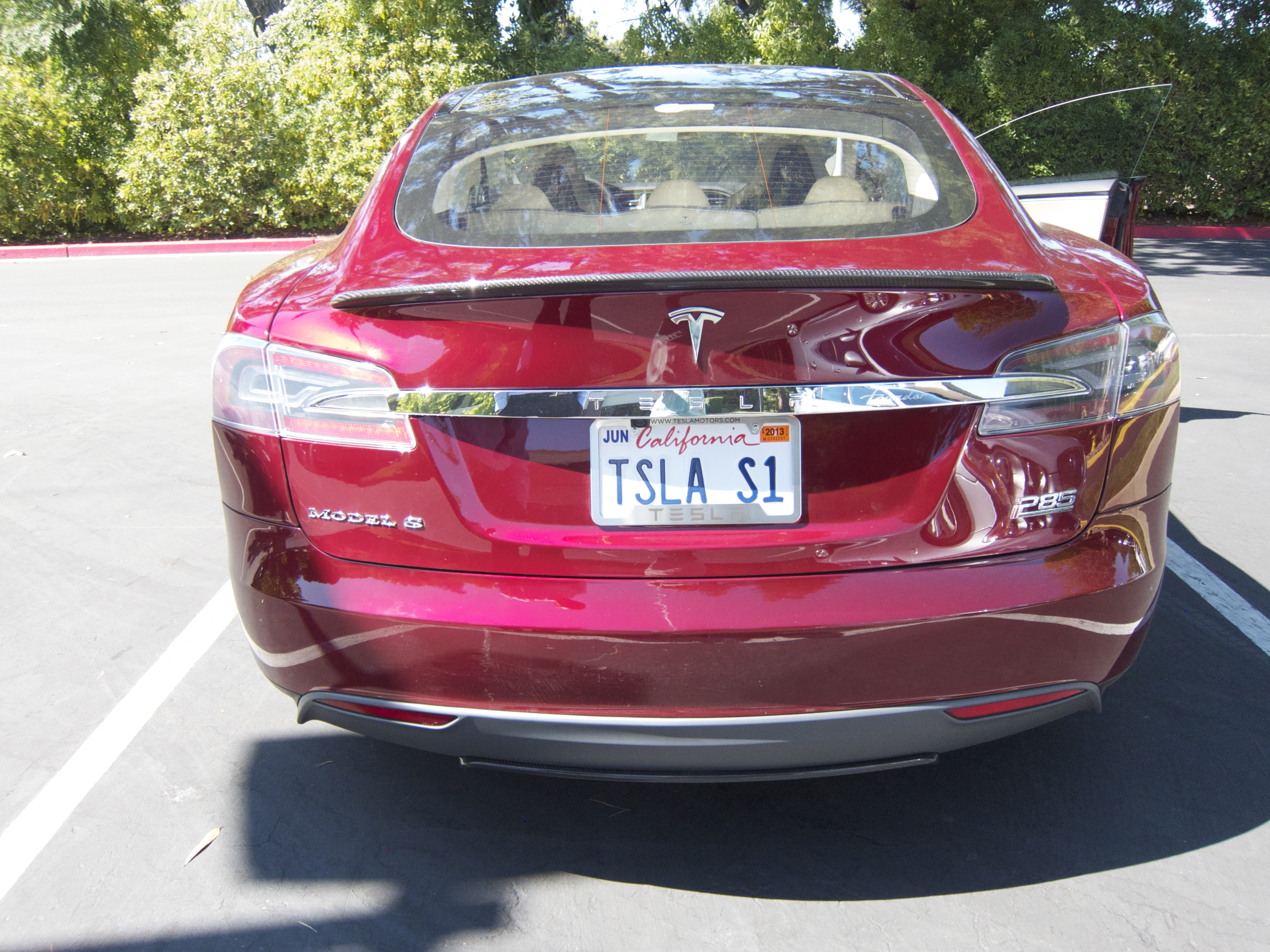
“I sat on one (a Tesla Model S) out at the Tesla Fremont plant. I kind of dented the fender. But anyway…” (laughter)
Feinstein drives a Lexus hybrid
On California’s water shortages
“We’re on our way to a much drier climate…the Sierra Nevada snowpack’s drying up and it’s very serious…The key is: we need to store more water from the wet years and hold it for the dry years and this environmentalists don’t like. It may mean raising a couple of dams (eg Shasta)…I do believe that the time is now to have a storage water bond. The most important thing we can do for our state is to hold water from the wet years for the dry years and we should get that done (or) we’re going to lose our agriculture… I live in Washington now for a lot of the time and I can tell you the crops grown in California taste much better than most places in the world.”
On subsidies to oil and gas
“I think the day has come for subsidies to go for industries other than startups like some of the clean energy…solar. As you know, everything is “cut cut cut” back there (DC) right now. With sequestration cutting another $85 Billion before the beginning of the fiscal year and the amount goes up. So there’s going to be cut after cut after cut. And they’re big cuts. So I think we need to look at tax reform and we need to look at all those deductions and remove a lot of them and we also need to look at our entitlements programs.”
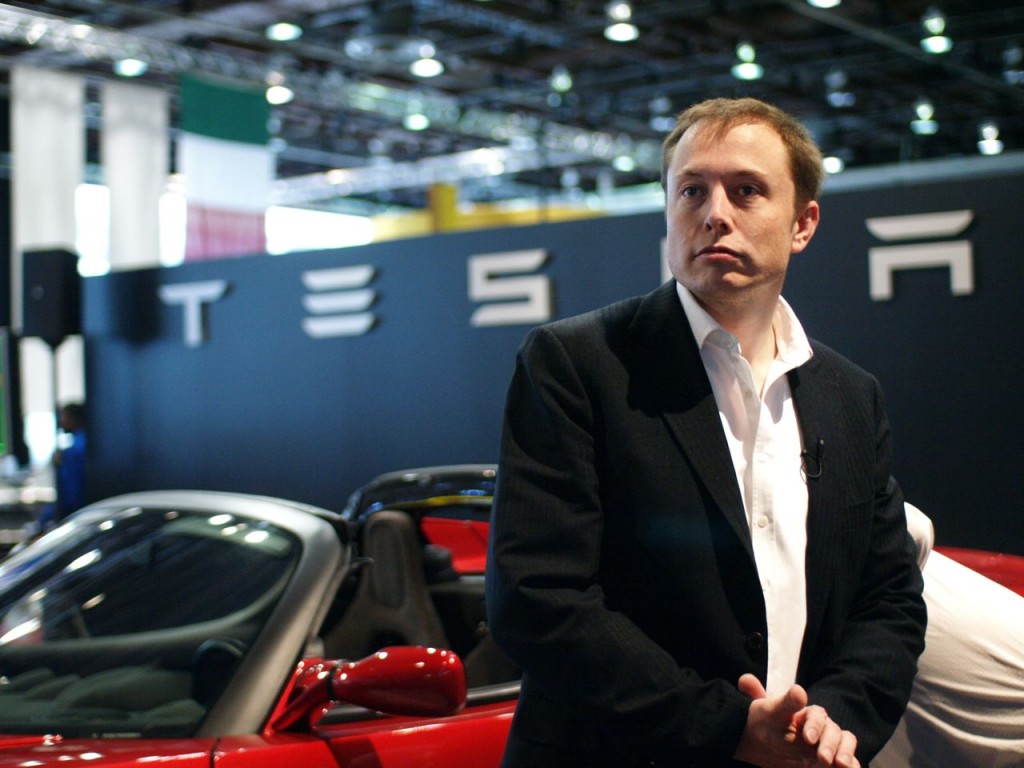
Last month, I interviewed Tesla Motors and SpaceX CEO, Elon Musk at the Computer History Museum in Silicon Valley and asked him what he’s learned from Steve Jobs and whether, in his view, innovation is plateauing. We also discussed how he felt about critics like his hero Neil Armstrong who spoke out against SpaceX and the commercialization of space. His answers may surprise you.
Here’s a transcript of our conversation that starts @51:19. (Page down for more transcripts)
Alison van Diggelen: I’d like to move on to innovation and motivation.There’s been a lot of talk lately about that fact that innovation is leveling off, we’re not making dramatic increases or improvements in innovation, like we did when the plane was invented…do you agree with that?
Elon Musk: No I don’t agree with that. We’ve seen huge improvements in the Internet, and new things…In recent years: Twitter, Facebook being pretty huge…when people thought the Internet was done. Some of the things we’re doing like electric cars are a new thing. And I do think there are some pretty significant breakthroughs in genomics. We’re getting and better and better at decoding genomes and being able to write genetics. That’s going to be a huge, huge area. There’s likely to be breakthroughs in Artificial Intelligence…and I suspect we will even see the flying car…
Alison van Diggelen: Is that going to be an Elon Musk production?
Elon Musk: No.
Alison van Diggelen: Are you going to let someone else do that?
Elon Musk: Yeah, Well, I think…someone else is doing that.
.
@1.00.30 On Steve Jobs
Alison van Diggelen: I’d now…let’s move on to focus on Silicon Valley. Steve Jobs was and is a wonderful Silicon Valley icon. Is he someone you’ve admired and what have you learned from Steve’s life and work?
Elon Musk: Well he’s certainly someone I’ve admired. Although I did try to talk to him once at a party and he was super rude to me… But I don’t think it was me, I think it was par for the course.
Alison van Diggelen: I don’t think you were the first.
Elon Musk: No not the first. No. I was actually there with… an old friend… Larry Page. I’ve known Larry since before he got venture funding for Google. He was the one who introduced me to Steve Jobs. It’s not like I was tugging on his coat (saying), ‘please talk to me.’ But obviously he was an incredible guy and made fantastic products. The guy had a certain magic about him that was really inspiring. I think that’s really great.
Alison van Diggelen: Is it that magic that you try to emulate?
Elon Musk: No, I think Steve Jobs was way cooler than I am.
@1.02.00
Alison van Diggelen: So I’d like to get inside your head a little bit. When you come up with an idea, do you doodle it on a pad of paper, or do you get your iPad out and take notes? I mean, when you come up with something new, a new rocket design or whatever it is, how does that manifest itself? Could we see you being creative?
Elon Musk: It’s somewhat clichéd but it happens a lot in the shower. I don’t know what it is about showers. (audience whistles). I know, exactly. Get the camera. (laughter) Like, yeah. I just kind of stand there in the shower and ..
Alison van Diggelen: So you have long showers…create lots of ideas…
Elon Musk: I do actually (laughter). Long showers. It sounds wrong…
Alison van Diggelen: So there’s no iPad in the shower?
Elon Musk: …Not to mention the Burning Man epiphanies. Those are huge. And then there are some times late at night when I’ve been thinking about something and I can’t sleep then I’ll be up for several hours pacing around the house, thinking about things. Occasionally I might sketch something or send myself an email…(see FD)
Alison van Diggelen: So we have a question from the audience. Who inspires you or do you have a mentor?
Elon Musk: I don’t have a mentor, though I do try to get feedback from as many people as possible. I have friends and I ask them what I think of this that and the other thing. Larry Page is a good friend of mine…I value his advice a lot, and I have many other good friends, so I think it’s good to solicit feedback, particularly negative feedback actually. Obviously people don’t love the idea of giving you negative feedback, unless it’s on blogs…they do that.
Alison van Diggelen: How do you deal with negative feedback, because you get some tough criticism, especially with SpaceX, you had incumbents like Neil Armstrong even, speaking out and saying this is wrong, you know. We don’t want commercial companies in space, it’s not a place for commerce. So how did you deal with that and how with naysayers in general, because you’ve had a lot.
Elon Musk: Yeah, that was kind of troubling, cos growing up Neil Armstrong was kind of a hero. So it kind of sucks to…
Alison van Diggelen: Knife in the back…?
Elon Musk: Yeah, that’s a bit of a blow. I think he was somewhat manipulated by other interests. I don’t know if he knew quite what he was saying in those congressional hearings.
Continues…
***
Want to continue reading the transcript? Here’s the final part of the interview:
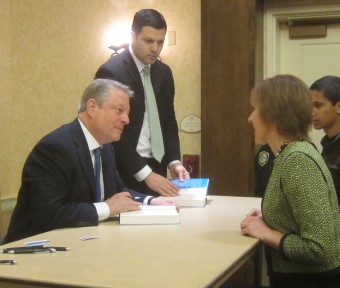
Yesterday, Al Gore braved the picket line in Silicon Valley to appear at the Commonwealth Club and discuss his new book, “The Future: Six Drivers of Global Change.”
Needless to say, Fresh Dialogues was keen to turn the conversation from issues of World Brain and Thomas Paine to Gore’s forte: climate change. Fortunately for the climate-concerned, the talented moderator, CwC Club CEO Gloria Duffy chose our burning question from the dozens of wannabees that landed on her lap.
Gore is forceful in his call for a carbon tax and optimistic in his description of the growing investment in, and the reducing price of renewable energy. He also explains why Silicon Valley will retain its preeminence in technology innovation, particularly in cleantech, despite future challenges.
Fresh Dialogues: What can President Obama realistically hope to achieve in his second term to combat climate change?
Al Gore: I’m hoping that tonight, just a few hours from now (during the State of the Union address), that he will announce that he’s going to have the EPA regulate for global warming pollution for existing existing power plants and facilities. It’s already been applied to newly constructed facilities, and being challenged in court; but there was a ruling in 2007 that global warming pollution is included under the Clean Air Act. So I’m hoping that he will do that as a minimum. But ultimately we’re going to have to put a price on carbon, either directly with a CO2 tax or indirectly with a a carbon cap and trade system, by whatever name.
Many other countries are now moving closer toward that. China has implemented a pilot program in two cities and five provinces; and has announced it has a pilot for a nationwide cap and trade system. India has put a tax on coal. Australia, the largest coal exporter in the world has implemented both, a CO2 tax and cap and trade. Seventeen other countries are moving rather quickly in this direction, South Korea, Ireland among them. European Union is already there. As of January 1, California has been the leader, once again…Quebec, British Columbia. Local and regional governments around the world. It’s not enough yet, and we do need a nationwide system. And for those who say, ‘it might make us less competitive,’ first I strongly disagree; but the World Trade Organization rules allow for border adjustments if some country doesn’t include its carbon pollution in its export prices, so it doesn’t affect competitiveness, except in a positive way, because we have invented most of these technologies, we aught to have the jobs created here.
Yesterday it was announced that the number one new source of electricity generation in the US in 2012 was from wind energy. Australia announced last week that electricity from wind is now cheaper than electricity from new plants run by either coal or natural gas. The price of renewables is coming down continually, the more we use, the cheaper it gets. It’s one of those virtuous circles, and cost down curves like Moore’s Law. It’s not quite that steep but it’s extremely impressive.
In 2010, for the first year in world history global aggregate investments in renewable energy exceeded global aggregate investments in fossil fuel….these are trends that are extremely powerful and I hope that the administration here does find a way to put a price on carbon. The idea that it’s a so-called externality that we can safely ignore is ludicrous. It’s just ludicrous.
Can Silicon Valley keep the crown as No. 1 tech innovation hub?
Having spent over two years researching future trends with futurist experts such as Ray Kurzweil, Gore remains bullish about Silicon Valley’s future as the innovation and tech capital of the world. He acknowledges that the Internet is a force for creative destruction that redistributes expertise, opportunities, and capital, but concludes that a need for innovation hubs will remain, attracting people with the best science, industry and technology skills.
“Silicon Valley is going to remain the epicenter of high technology development,” he says. “Principally in the digital technologies but increasingly in green technologies. Even though it’s been a roller coaster ride, the momentum of green technology around the world is incredible.”
He likens Silicon Valley’s expertise in tech to Milan’s in fashion, pointing out that despite our ability to get fashion trends online, Milan remains a center of fashion in the world, because the best minds in fashion go there. He adds, “The importance of people being able to meet and collaborate in person ensures the continued importance of particular geographic centers of expertise.”
Update on SOTU
Obviously, Al Gore was wrong in assuming that President Obama would announce an extension of EPA regulations to existing power plants in his SOTU; however, I have no doubt he’s delighted at the president’s call to action:
“For the sake of our children and our future, we must do more to combat climate change!”
President Obama also urged congress to pursue a bipartisan market-based solution to climate change and announced his plan to use his executive powers to speed up the transition to more sustainable energy sources and use some oil and gas revenues to create an energy security trust to drive new research and technology to shift cars and trucks off oil “for good.” Does that mean more federal funding for electric vehicles?
He added: “So tonight, I challenge you to join me in setting a new goal: By 2035, 80 percent of America’s electricity will come from clean energy sources.”

 Fresh Dialogues: What can President Obama realistically hope to achieve in his second term to combat climate change?
 now cheaper than electricity from new plants run by either coal or natural gas. The price of renewables is coming down continually, the more we use, the cheaper it gets. It’s one of those virtuous circles, and cost down curves like Moore’s Law. It’s not quite that steep but it’s extremely impressive.