Today, we are launching a new feature on Fresh Dialogues – lesson plans – to help teachers build captivating ways of educating their students about climate change and the green economy. This is possible thanks to Lisa Lubliner, our new Fresh Dialogues Education Expert. She will be matching some compelling Fresh Dialogues videos with topics such as Green Innovation, Batteries and Storage, Saving Energy at Home and School, and Fuel Cells 101. Check back soon at our Educators Page where we will list lesson plans as they are added. Got ideas for background info and resources? Share them here or on our Facebook Page.
Lesson Plan: Stashing CO2 in Rocks
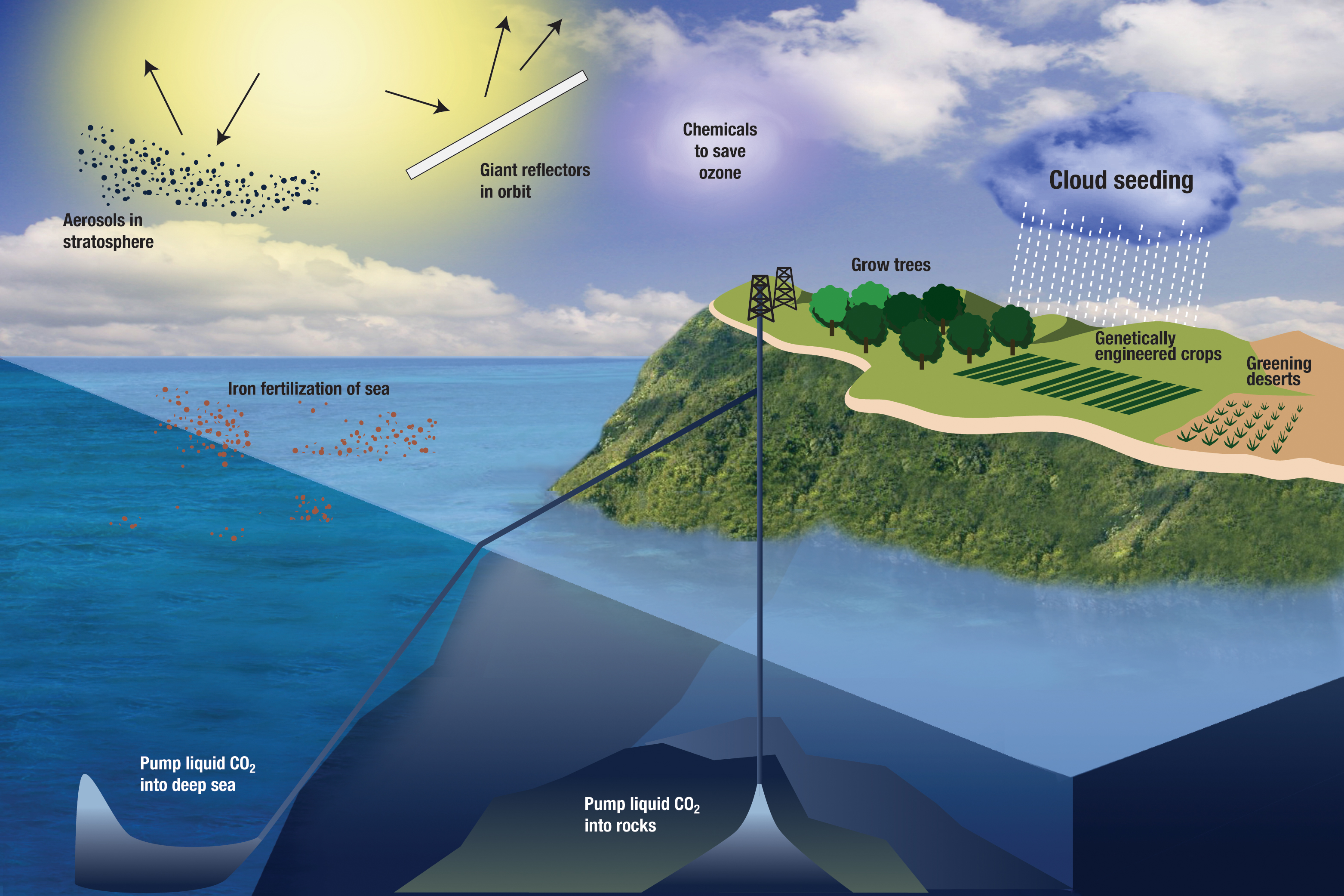
Carbon Capture and Sequestration
Grades 6-8
In this activity, students will learn more about carbon sequestration by creating a carbonated beverage out of apple juice and dry ice. This experiment illustrates how carbon dioxide can be stored in a substance. Students will compare and contrast the results to determine if liquid carbonation is an effective method for carbon sequestration.
Lesson background
One of the leading causes of global climate change is carbon dioxide. Carbon dioxide is a greenhouse gas that traps and stores heat from the sun that would normally escape from Earth’s atmosphere into space. Though some heating is beneficial to life on Earth, too much carbon dioxide in the atmosphere leads to dramatic changes in the Earth’s climate. One important field of research aimed at combating climate change is carbon sequestration. Carbon sequestration is the science of taking carbon dioxide out of the air and storing it away. Scientists have been experimenting with different methods of carbon sequestration through chemical, biological or physical means.
Subject Standards
Subject Matter: Physical Science/Geology National Standards:NS.5-8.1, NS.5-8.2
Source Links
Ira Flatow Science Friday Blog – Check out the excellent Science Friday video that goes with the topic.
Background information and extension activities
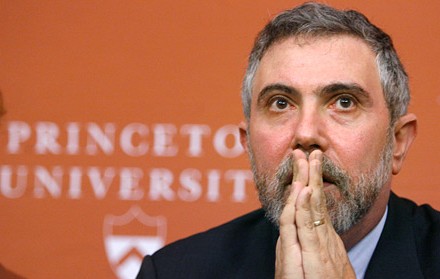
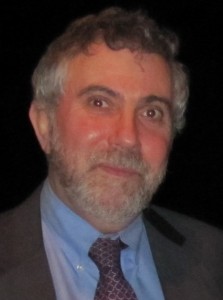
Have students view this short Fresh Dialogues video showing Nobel Prize winning economist, Paul Krugman explain the cap and trade system for carbon and why he thinks climate legislation could work. Here’s the interview transcript
About our Fresh Dialogues Education Expert: Lisa Lubliner is a respected and energetic educator with a varied background in teaching and administration. She has worked as a teacher (Moreland District, California – Teacher of the Year), served as a Gifted and Talented Education consultant, evaluated schools for the State of California and created a successful model for Independent Study Programs in the San Francisco Bay Area. She has an extensive background in alternative education and strives to engage students through real-world projects that emphasize critical thinking and the creation of action plans.
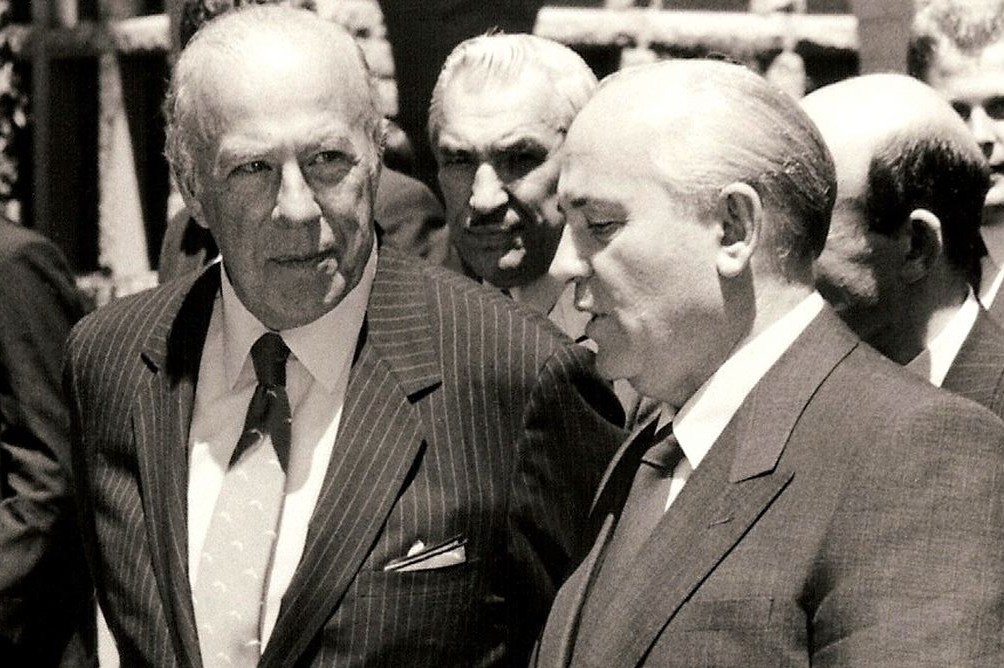
Former U.S. Secretary of State, George Shultzdelivered an eloquent summary of the facts surrounding AB 32(California’s answer to global warming) at the Silicon Valley Energy Summit at Stanford University on June 25. Shultz, a Distinguished Fellow at the Hoover Instituteand Advisory Council Chair at the Precourt Energy Efficiency Center, was billed as a Moderator/ Provocateur at the event, and despite his 89 years, he rose to the challenge and then some. In concluding remarks, he said it would be “an unmitigated disaster” if the measure to suspend AB 32 passes in the November election.
He was moderating a panel which included Lawrence Goulder, Director of environmental and Energy Policy at Stanford; Kevin Kennedy, Assistant Executive Office, Office of Climate Change, California Air Resources Board (CARB) and Peter Miller, Senior Scientist, Natural Resources Defense Council. Check back for more details on each soon.
“The emission of carbon imposes a cost on society…you have to recognize that cost…” George Shultz
“If we’re going to level the playing field…we want a system that’s number one: effective… and number two: creates as little drag as possible or even gives a slight lift to the economy.” George Shultz
This exclusive interview with Nobel Prize winner, Paul Krugman was recorded in Silicon Valley. Dr. Krugman was in town to deliver a lecture as part of the Foothill College Celebrity Forum Series. This segment is titled: Will Climate Legislation Kill the Economy? Click here for video
Alison van Diggelen: Paul thank you very much for joining me today on Fresh Dialogues.
Paul Krugman: OK. Good to be doing this.
Alison: Now some people are saying, climate legislation is going to kill the economy. What do you say to that Paul?
Paul: Well, a lot of people have done serious work in trying to figure this out. Now, to some extent it will be unknown territory: we don’t know what happens when you set the price of carbon significantly higher than it is now, but the economy has got a lot of flexibility. We have precedent. We had the problem of acid rain and we introduced a cap and trade system – SO2 permits – and a lot of people said it was going to kill the economy…terrible stuff. In fact it turned out that dealing with it was cheaper than most estimates had suggested before hand. Given the incentives, the private sector found ways to generate a whole lot less acid rain.
So current estimates are that if we did something like the legislation that the House has already passed, that ten years from now it would be maybe one third of a percentage point off GDP. And 40 years from now, when the constraints would be much stiffer, it would be something like 2% off GDP, relative to what it would otherwise have been. So if you think about what it would do to the growth rate, it’s minimal. We don ‘t know if these numbers are right, but if history is any guide, they’re probably too pessimistic. It’s just not a big deal.
Alison: Let’s talk about your column, Paul… Now you didn’t pull any punches with the Bush administration. You talked last night about the Bush White House being evil and stupid. What is your characterization of the Obama White House?
Paul: Oh, they’re good guys and they’re smart but just not as forceful as I’d like. It’s a world of difference. When I argue with them in my column this is a serious discussion. We really are in effect speaking across the transom here…
Alison: Is it really a dialogue, are you hearing back from them?
.
Paul: Ben Bernanke doesn’t call me up but is aware of what I’m writing… people in the administration do call me. I’m never going to be an insider type but at this point I do have genuine contact with both the White House and with congressional leadership. It’s no longer this sort of Cold War as it was during the Bush Years.
Alison: Some people describe your writing as having a missionary zeal. Where does that come from Paul. Can you trace that back?
Paul: Oh. Gosh…I have to say that during the Bush Years, if you didn’t feel passionate that we had to change things, there was something wrong with you…
Alison: You didn’t have a pulse?
Paul: Right. So..before that, I was in fact a pretty cool…uh…
Alison: A cool dude…?
Paul: A pretty cool technocratic sort of writer. I had some fun but I wasn’t crusading. So that is what changed it. And now, I’m trying to make this progressive moment in American history a success. So that’s where I’m pushing.
Alison: So you feel the missionary zeal is gone now, or is it just redirected?
Paul: It’s not the same. There was the sheer.. OMG what a horrible thing…we need to alert people as to what’s going on…I’m still trying to get stuff to happen…it’s less doom laden maybe than it was in the Bush years. But stuff has to happen….I’m still pretty passionate about the column.
Alison: And do you feel you’re more effective as a columnist than inside the government?
Paul: Oh yeah! That’s a personal….you have to know who you are…know what you’re good at. I’m not a…being an effective government official, you have to do bureaucratic maneuvering, be pretty good at being polite at the appropriate moment… you have to be reasonably organized…I’m none of those things.
Alison: An honest man.
Paul: I can move into a pristine office and within three days it will look like a grenade went off.
Alison: [laughter]
Paul: You really don’t want me doing that sort of thing.
Alison: Right. Paul Krugman, thank you so much for taking the time. I really appreciate it.
Paul: Thank you so much.
For more exclusive interviews with leaders, such as Tom Friedman, Maureen Dowd and Charlie Roseclick here
In advance of Obama’s trip to Chinathis week, Nobel Prize winner, Paul Krugman gave a short, sharp economics lesson on climate change and China during our exclusive interview in Silicon Valley, November 12. What does he think the US and Chinese governments should be doing to combat climate change and stimulate the green sector?
Why is he not concerned about China’s lead in clean energy technology?
Krugman explains why negotiating with China over CO2 emissions would be preferable to trying to enforce a carbon tax. Hear all this and more in this Fresh Dialogues interview.
Here are selected quotes:
“Climate change is the mother of all externalities…left without any government intervention, we’re going to basically par-boil the planet.”
“You don’t want to get hung up on the specific sexy technologies (like wind turbines)…look at the history of information technology…nobody gets a monopoly for very long.”
“If we say to the Chinese, we want you to have a carbon tax – how can we really tell it’s enforced? But if we negotiate with the Chinese that they will have total CO2 emissions of so much, we can monitor that pretty well.”
For Part One of the Paul Krugman interview – on Obama’s Job Summit click here
I met with Growth Point Technology Partners Managing Director, Laurie Yoler just 12 days after the historic bailout of the US financial system was signed into law. She’s a seasoned investor in emerging technology, a specialist in clean tech and serves on the board of Tesla Motors, where she was an angel investor. Laurie gives a fascinating insight into the psyche of venture capitalists at this historic time and explains why she remains optimistic. We also explore these questions:
How long will it take before the market stabilizes?
How will the IPO, Merger & Aquisition and private placement markets be affected by the financial turmoil? What about those frothy valuations?
What clean tech trends have emerged this year?
What’s hot in clean tech and why is clean tech in Europe ahead of the US?